A Practical Toolkit for Digital-Asset Research
Understand what wallets, explorers, market trackers and recordkeeping tools can verify, what data they need and where their conclusions have limits.
DTCC Trading Editorial

The most useful crypto tool is the one that answers a clearly defined question. A wallet authorizes operations, an explorer displays network records and a market tracker summarizes prices. Confusing those roles can make an interface appear to prove more than it does.
Build a toolkit around specific tasks: control assets, inspect transactions, compare quotes and preserve records. Then evaluate each tool’s data source, permissions and limitations. More dashboards do not automatically produce better evidence.
Wallet Interfaces
A wallet helps manage keys or account permissions and prepare transactions. Asset records remain on the relevant blockchain or service ledger. The wallet’s display is an interpretation of those records, so network support and data freshness matter.
Keys Kept Apart From Everyday Software
For assets such as Bitcoin, a hardware signing device can keep private keys away from a general-purpose computer. The device does not move the coins offline. Its protection still depends on authentic setup, secure recovery material and careful review of what the user authorizes.
Connected Wallets
A connected software wallet offers convenient access from a browser or device. Convenience comes with exposure to the device environment and the applications being visited. Use the wallet’s permission and transaction details to understand an operation before signing.
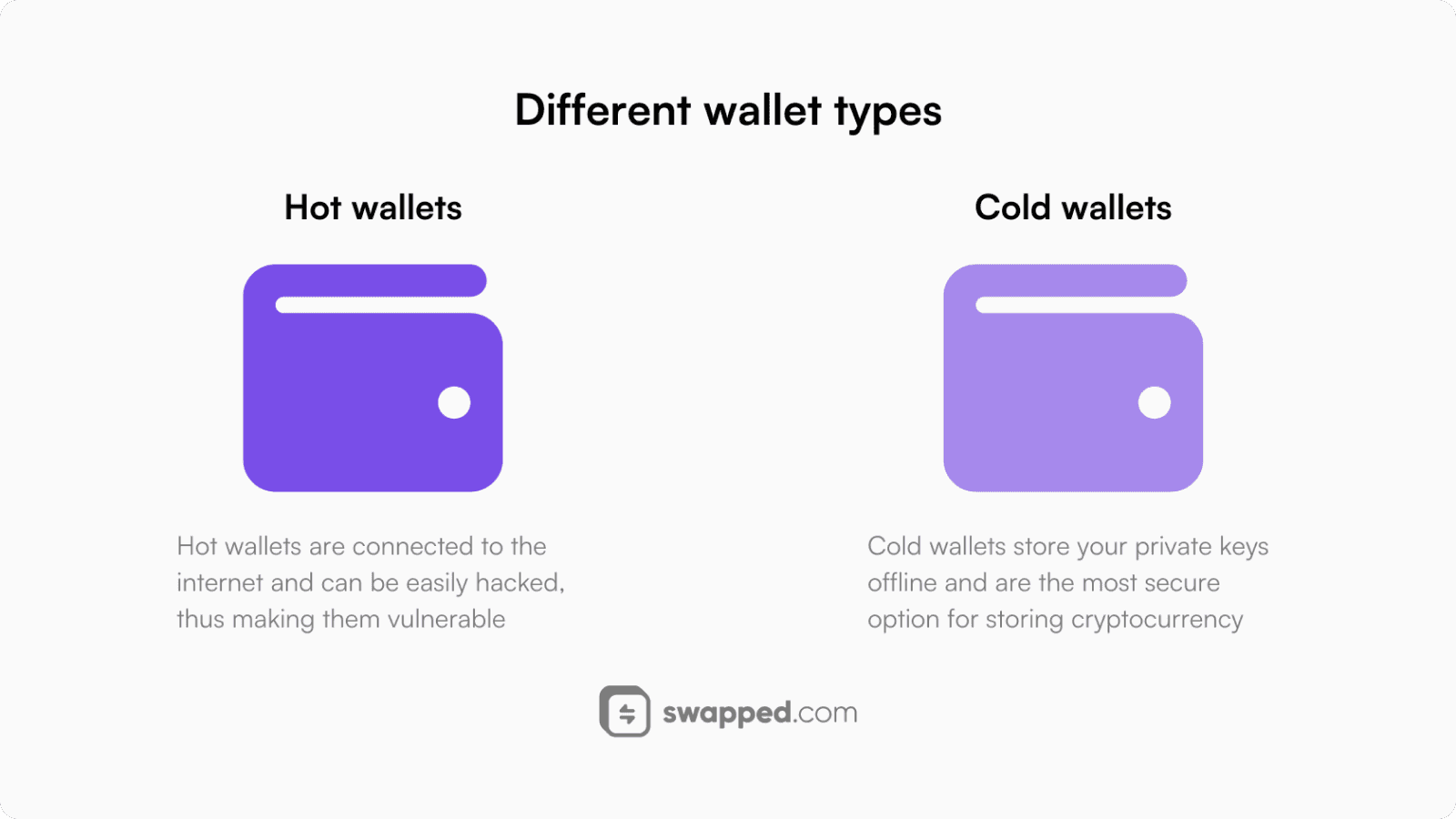
Wallet categories describe key handling and access, with tradeoffs in each design.
Network and Asset Support
A multichain wallet supports selected cryptocurrency networks and asset standards. Additional features can include staking, exchange routing or an NFT gallery. Verify each required network and operation directly; a familiar wallet name does not establish universal support.
Trading Interfaces
A cryptocurrency exchange can provide quotes, order execution and account records. Examine the full trade cost, custody arrangement and withdrawal route. A quick-buy screen can use different pricing from an order book on the same service.
On-Chain Trading Tools
Applications in DeFi can prepare trades that settle through network rules or contracts. Review the exact token identifiers, route, minimum output and requested permissions. A frontend’s availability or a successful simulation does not guarantee that every later transaction will be safe.
Payment and Onramp Interfaces
A purchase can also use an onramp service that combines payment and asset delivery. Review the expected destination amount before using a crypto purchase route, including any provider handoffs, expiry and network requirements.
Price and Portfolio Tracking
A market tracker can estimate the value of holdings using selected price feeds. Check the quote currency, venue coverage and update time. An estimated portfolio value is not a promise that all holdings can be sold at those prices.
Manual tracking avoids some account permissions but takes work to maintain. Connected tools can simplify updates while requiring access to public addresses or account data. Prefer the least access needed, and distinguish read-only connections from credentials that allow trading or withdrawals.
Learning Resources
Good learning material identifies its sources, explains assumptions and distinguishes examples from recommendations. Official network documentation is useful for protocol behavior. Independent analysis can add context, but its methods and conflicts should be visible.
Using Social Information
Posts and videos can point to a topic worth investigating. Follow important claims back to release notes, contracts, public transactions or original announcements. Repetition across accounts does not make a claim independently verified.
Recognizing Promotional Incentives
A commentator can hold the asset being discussed or receive referral and sponsorship income. Look for those relationships and evaluate the evidence separately. Confidence, audience size and production quality do not establish technical accuracy.

Useful research begins with traceable sources and clearly stated limits.
Blockchain Explorers
An explorer translates network data into searchable transaction, account and contract pages. It is useful for locating a public record and understanding execution status. The explorer itself is still a service that can lag, label data incorrectly or experience an outage.
For a Bitcoin transfer, a compatible explorer can show inputs, outputs, fees and confirmations. Match the complete transaction identifier. A transaction appearing in a pending list is different from one included in the accepted chain.
For an Ethereum address, an explorer can show transactions, token transfers and contract interactions. Inspect execution status and relevant events rather than assuming every attempted operation succeeded because it has a transaction hash.
Analytics and Address Labels
Analytics tools combine network records with classifications or inferred relationships. Their visual summaries can be helpful, but each conclusion depends on coverage, labeling methods and the meaning of the underlying activity.
A label associating an address with an organization can be incomplete or wrong. A transfer between labeled addresses does not by itself prove a purchase, sale or change in beneficial ownership. Keep the raw transaction and the interpretation separate.
When comparing dashboards, check whether they count internal transfers, failed operations or duplicate events. Different definitions can produce different totals from the same chain. A useful report documents the time range, filters and methodology.
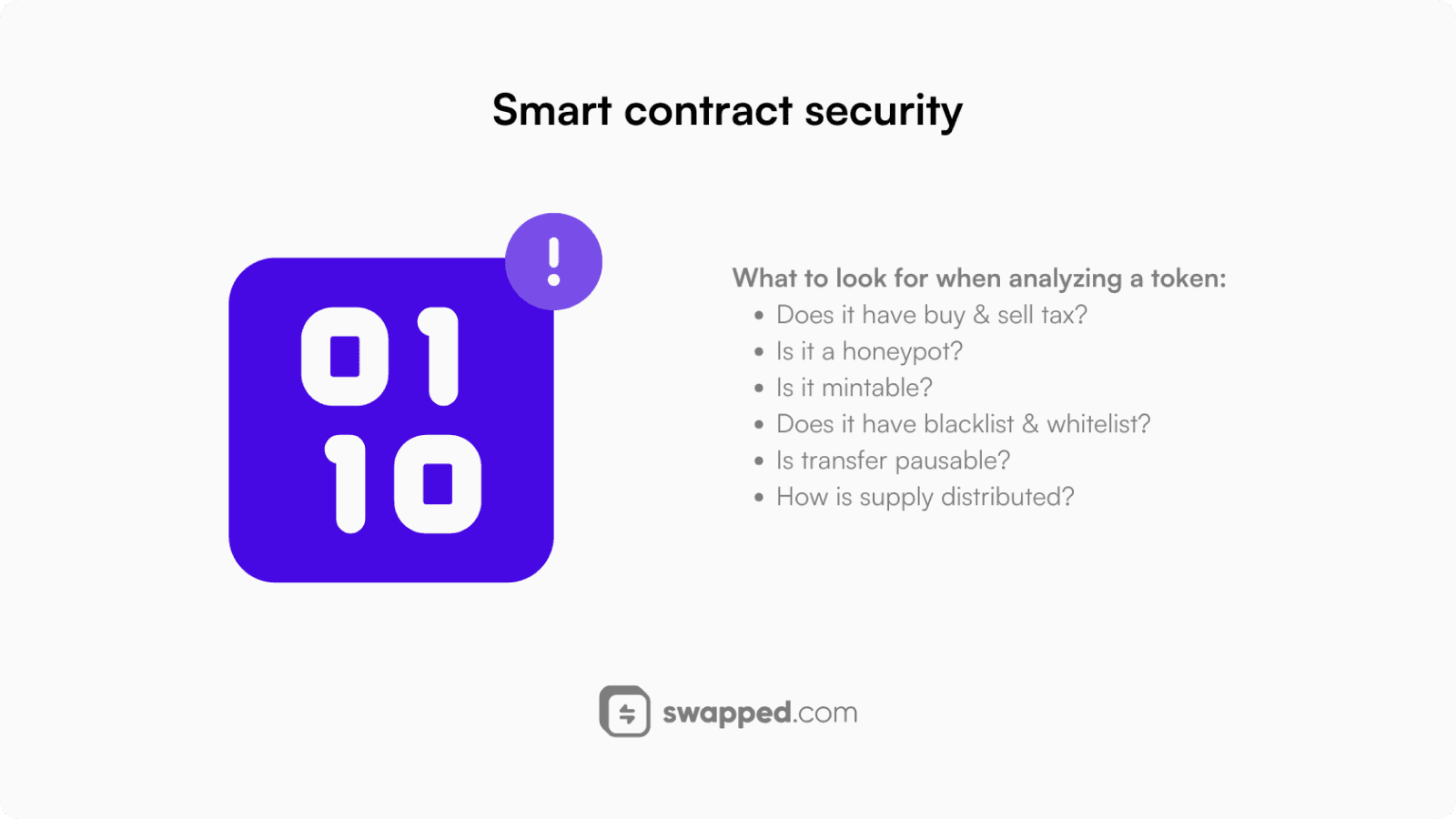
Define the question and verify the data before acting on a dashboard.
Records and Reporting
Recordkeeping tools can organize transaction history, fees and asset movements. Reporting obligations depend on the applicable jurisdiction and activity. Preserve the original records so a calculation can be reviewed rather than treating imported labels as authoritative.
A useful import process identifies missing accounts, unsupported assets and incomplete price history. Transfers between your own accounts should be reconciled carefully so they are not confused with unrelated receipts or disposals.
Automated classifications can require correction for bridges, staking, liquidity positions or unusual contract activity. Keep an explanation of material adjustments and seek qualified help when a reporting question depends on local rules.
Permission Hygiene
Strong security includes trusted software sources, protected recovery material and careful authorization. Multifactor authentication can help protect service accounts, but it does not prevent every form of phishing. A VPN does not make a malicious website or transaction safe.
Review connected applications and unnecessary permissions periodically. Keep software current and investigate unexpected transactions using public records. If a transaction’s outcome is uncertain, check it before repeating the operation.
Choosing a Manageable Toolkit
A small set of well-understood tools can be more useful than many overlapping services. For each tool, know what question it answers, where its data comes from and what access it holds.
The aim is a reviewable chain of evidence: the intended action, the authorization, the network result and any account crediting afterward. Tools are most valuable when they make those stages clear.
Related Reading
The linked comparisons provide examples of tracking tools. Verify current features and permissions directly, and treat rankings as opinions rather than proof of suitability.