Choosing a Wallet by Control, Recovery and Use
Compare wallet arrangements through signing authority, recovery, network support and transaction clarity, including the tradeoffs of software, hardware and programmable accounts.
DTCC Trading Editorial

Choosing a cryptocurrency wallet begins with the assets and operations it must support. Holding Bitcoin and interacting with an Ethereum contract can require different account models and signing capabilities. A familiar brand or attractive interface is only one part of the comparison.
The central questions are who controls authorization, how access is recovered and what the user can verify before signing. Answer those first, then compare convenience, cost and additional features.
What a Wallet Does
A wallet helps manage or access the keys and permissions used to control records on a blockchain. Some wallets hold signing material locally, some connect to a dedicated signer and some provide access to custodial accounts. These arrangements have different recovery and trust models.
Common Wallet Arrangements
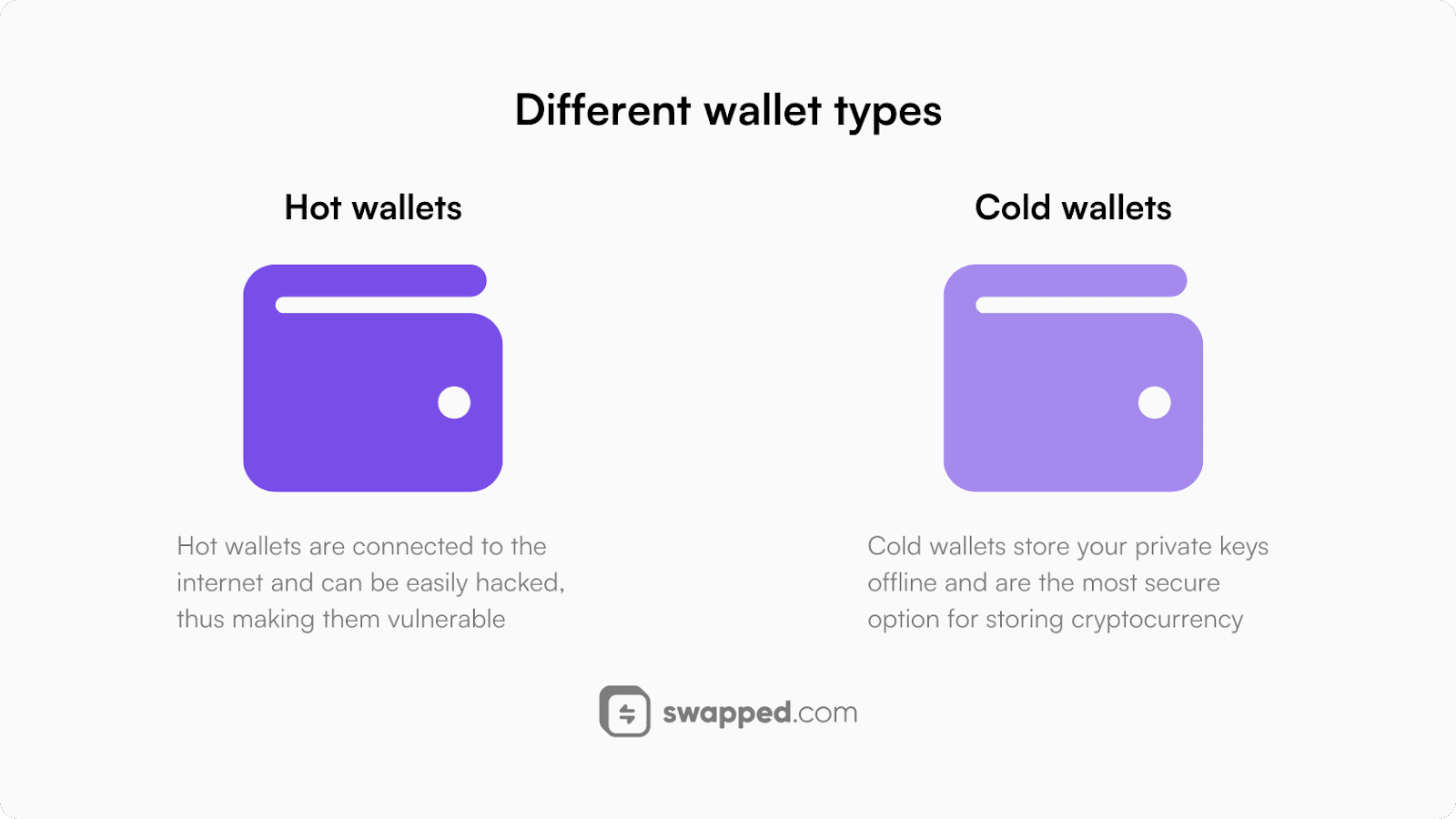
Connected interfaces and isolated signers offer different access and key-handling tradeoffs.
Wallet categories overlap. A mobile application can connect to a hardware signer, and a browser interface can control a programmable account. Evaluate the complete setup rather than selecting a category by name alone.
Connected Software Wallets
Software wallets provide convenient access through a phone, computer or browser. The environment in which they run affects their exposure, and the details shown before authorization affect the user’s ability to catch a mistake.
Mobile applications: Review device protection, backups, application authenticity and the clarity of signing screens.
Desktop applications: Consider operating-system security, software sources and any connection to a hardware signer.
Browser interfaces: Distinguish extensions, websites and custodial services; check their permissions and verify the domain before sensitive actions.
Isolated Signing and Backups
Keeping signing keys separate from an everyday connected device can reduce some threats. It does not remove the need to protect recovery material or understand each authorization.
Hardware signers: Dedicated devices can isolate keys and display transaction details, with capabilities that vary by model and network.
Physical backups: Written or other durable recovery records need protection from disclosure, loss and damage. A backup is not the same thing as a safely designed paper-wallet spending workflow.
Programmable Accounts
A smart-contract wallet or other programmable account uses rules beyond a single ordinary key. It can support multiple signers, spending limits or recovery mechanisms. Those features depend on the actual deployment and can introduce contract or administrator dependencies.
Features to Evaluate
A feature is useful when its authority and failure behavior are clear. Review how it is configured, who can change it and how the user verifies that it is active.
Multiple Approvals
Multisignature or threshold arrangements can require several approvals for an operation. They can help separate responsibilities, but signer independence and recovery matter. Several keys on one compromised device may provide less separation than the interface suggests.
Recovery Rules
Some accounts use a recovery phrase; others can use designated guardians, devices or service-assisted recovery. Understand who can initiate recovery, required waiting periods and what happens if a guardian or provider is unavailable. Recovery access is a form of control.
Automation
A wallet can support recurring operations or connections to decentralized finance. Automated rules should expose their limits, duration and revocation process. Convenience should not leave users unaware of continuing spending authority.
Scoped Permissions
A session or application permission can limit which actions are allowed. Check the asset, amount, recipient and expiry where supported. A permission described as limited is meaningful only if the enforced rules match that description.

Programmable accounts can change how authorization and recovery are enforced.
A Practical Comparison
Define the intended networks, assets, transaction frequency and recovery needs. Then compare how each candidate wallet meets those requirements with evidence from current documentation and its actual interface.
Control and Security Evidence
Look for clearly explained key handling, reviewable permissions and an understandable recovery model. Security claims should identify the mechanism rather than rely on a broad safest-wallet label.
Account authentication: Understand where passwords, passkeys or additional factors apply and whether they protect the underlying signing authority.
Backup and recovery: Verify the supported recovery process and protect every recovery component.
Inspectable software and reviews: Open code and independent assessments can support scrutiny, but neither guarantees that all defects or operating risks have been eliminated.
A Usable Signing Experience
The wallet should make the network, asset, destination and requested permissions understandable. A concise confirmation that hides those details can increase error risk. Check how the interface handles failures and uncertain transaction results as well as successful transfers.
Exact Asset Compatibility
Verify the network and token standard, not only the asset symbol. A wallet can display a token without supporting every operation needed to manage it. Also check hardware integration and recovery compatibility for the specific accounts involved.
Separating Different Uses
Routine application activity and long-term custody can require different access patterns. Decide whether separation would reduce exposure without creating an unmanageable recovery arrangement.
For frequent activity, prioritize clear permissions, reliable transaction status and an account with an appropriate level of exposure.
For infrequent activity, prioritize protected signing, durable recovery and a process that remains understandable after a long period of non-use.
The Complete Cost
Costs can include a device, replacement or backup materials, network fees and integrated service charges. A free application can still route transactions through paid providers. Compare the total arrangement rather than its download price alone.
Support and Documentation
Check whether official setup, recovery and troubleshooting instructions are clear. Support should never require a private key or recovery phrase. Verify support channels independently because impersonated help accounts commonly target users seeking assistance.
How to Read Named Wallet Examples
Exodus: Interface and Support
When evaluating Exodus, confirm the current asset and network support and inspect how its integrated services work. Determine which functions are local wallet operations and which rely on external providers. A polished portfolio screen does not answer those questions by itself.
Trezor: Device and Recovery
When evaluating a Trezor hardware device, check the exact model, supported signing flows and recovery procedure. Obtain hardware through a verified source and complete setup through official instructions. A device’s protection depends on how it is initialized and used.
Trust Wallet: Permissions and Networks
For a wallet such as Trust Wallet, review current network support, backup options and application permissions. Inspect what a connection or transaction authorizes. A multichain interface does not make addresses and assets interchangeable across networks.
MetaMask: Accounts and Connections
When evaluating MetaMask, read the current documentation for the account and networks being used. Review connected applications, token approvals and signing details. Avoid assuming that a familiar interface means a newly requested operation is the same as an earlier one.
Phantom: Asset and Operation Support
A wallet used with Solana, such as Phantom, still needs to be checked for the exact network, token and signing operation involved. Read its current support and recovery documentation rather than treating a general ecosystem association as a complete compatibility guarantee.
These names illustrate different questions to ask; they are not a ranking or an independent security certification. The right comparison depends on the intended setup and current verified features.
Preparing a Wallet Setup
Complete the setup and recovery review before relying on the wallet for significant assets. Use official instructions and confirm each step in the actual application.
Verify the source: Obtain software or hardware through an authenticated official channel.
Understand setup: Know whether you are creating local keys, connecting a signer or opening a custodial account.
Prepare recovery: Follow the documented backup process and protect the recovery material from disclosure.
Confirm compatibility: Review the supported asset route for Bitcoin, Ethereum or Solana before funding the account.
Mistakes to Catch Early
Most preventable errors involve a mismatch between what the user thinks the wallet controls and what its keys, permissions or provider actually control.
Unclear authorization: Do not approve an operation when the destination, amount or permissions differ from your intention.
Unverified software: Check the publisher and official source; an app-store listing or search result alone does not establish authenticity.
Unusable recovery: Understand the documented recovery procedure and keep the necessary components protected and available.
Shared secrets: Never send private keys or recovery phrases to websites, support accounts or people offering help.
Incomplete compatibility: Confirm the network, token standard and signing support for every required operation, including a future withdrawal or recovery.
Start With a Clear Control Model
Features such as staking, application connections and NFTs are useful only after the underlying account and permissions are understood. Treat each added feature as a new operation to review rather than an automatic extension of basic receiving support.
A suitable wallet makes authority, recovery and transaction consequences clear. That clarity is the foundation for a setup the user can maintain confidently over time.
Related Reading
The linked guides introduce wallet choices. Verify product-specific features through current official documentation before relying on them.