Cryptocurrency: Assets, Networks and Control
Build a clear foundation for digital assets by separating networks, native coins, issued tokens, custody and the evidence behind each transaction.
DTCC Trading Editorial
Cryptocurrency is a broad term for digital assets that use cryptographic authorization and network rules to record control and transfers. Different assets can serve very different purposes. Understanding the asset and its operating system is more useful than assuming they are all interchangeable digital money.
This introduction follows the core questions: what is recorded, who can authorize a change, how the network accepts it and what rights the asset represents. Those questions also help separate technical capabilities from promotional claims.
Money, Records and Digital Access
Money has taken many forms across societies, and its history is not a single simple progression from barter to coins to computers. Modern financial systems already use digital records extensively. Cryptocurrency changes particular aspects of issuance, authorization and shared verification.
The public network launched as Bitcoin in 2009 demonstrated a system for native digital-asset transfers without one central account operator. Other projects later explored different execution models, consensus rules and asset types.
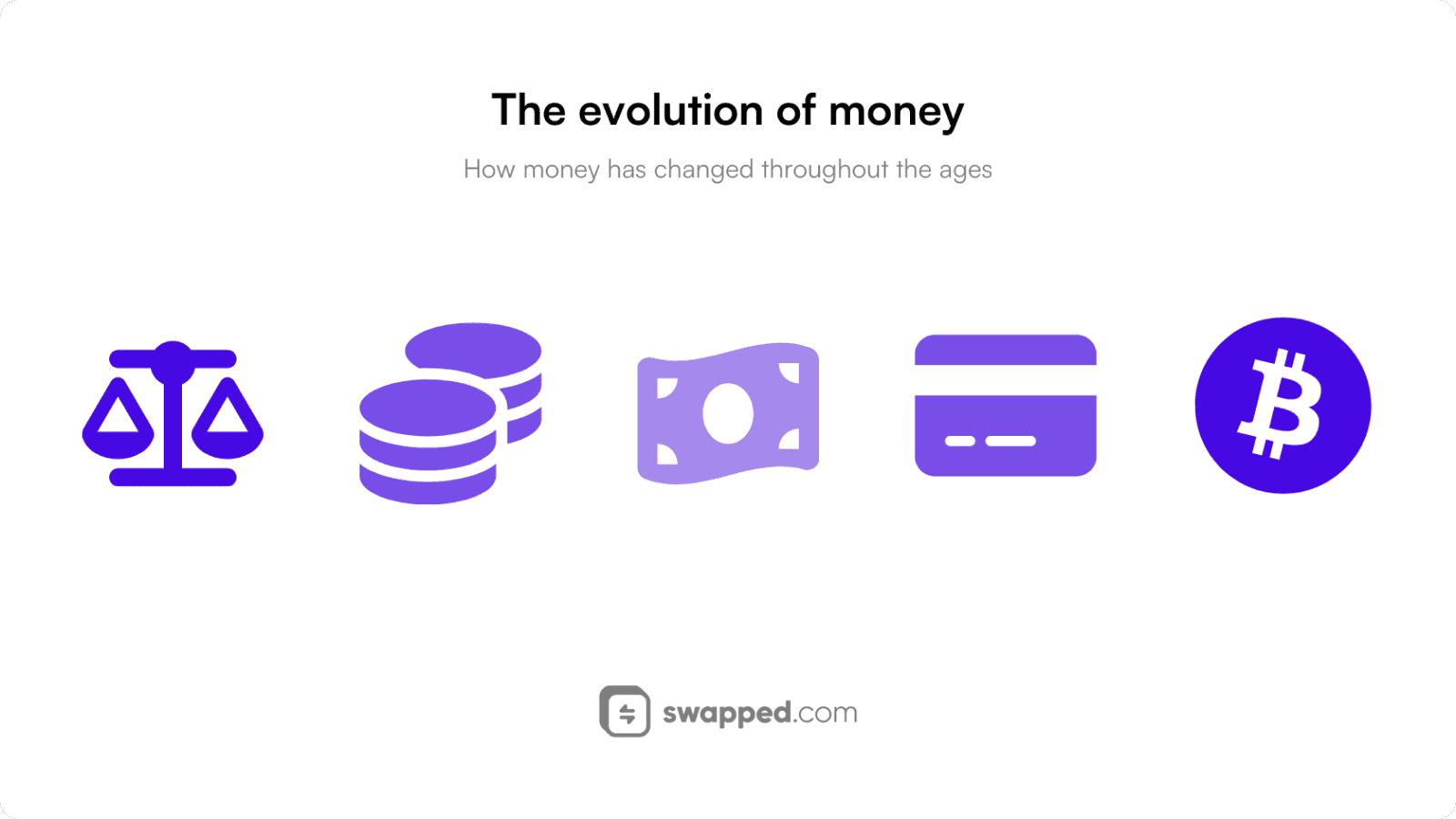
Digital-asset systems introduce different ways to organize records and authority.
Coins and Issued Tokens
A native coin belongs to a network’s own protocol, while an issued token follows additional rules defined by an issuer or contract. Some tokens target a currency value or represent an external claim. Those arrangements require evidence beyond the existence of the token record.
Networks such as Ethereum and Solana support programmable applications and issued assets. Their native coins, application tokens and tokenized claims have different mechanics. A familiar ticker or logo does not establish the exact asset being handled.
The Shared Record
A blockchain can organize accepted activity into linked blocks governed by validation and consensus rules. The rules determine which operations are valid and how participants agree on their order.
Public networks let participants inspect and verify records, while permissioned designs restrict some roles. The number of servers alone does not describe decentralization. Look at who can validate, change rules and control essential infrastructure.
A transaction can be prepared, authorized and submitted before it becomes confirmed or final. Different networks define those stages differently. The receiving application may then apply separate account-crediting requirements.
What These Systems Can Enable
Digital-asset systems can support direct transfers, programmable operations and shared records across parties. The practical benefit depends on the problem, the network and the surrounding services.
Access and Participation
Some networks allow people to create accounts and submit transactions without obtaining an account from one central operator. Users still need connectivity, compatible tools and a way to meet fees or balance requirements. Associated services can impose their own eligibility rules.
Comparing Complete Costs
A transfer can reduce some coordination costs while adding network, conversion or custody costs. Compare the entire route from the starting balance to the usable destination amount. A low network fee alone does not establish a cheap international payment.
Programmable Applications
Smart contracts can implement token rules, exchanges or records such as NFTs. The code automates defined operations, but it does not guarantee the truth of external inputs or the quality of the product using it.
Risks to Understand
Market, technical and operational risks can combine in one position. A secure base network does not automatically make every token, wallet or service on it safe.
Market Value
Asset prices can change sharply, and thin liquidity can make a displayed value difficult to realize. A token designed to track a reference value has different mechanisms but can still lose its peg. Distinguish unit balances from their market value.
Fraud and Misleading Claims
Fake applications, impersonated support and guaranteed-return offers can target users. Verify the exact asset, provider and requested authorization. Public transaction records help investigation, but they do not prevent someone from signing an unintended operation.

Applicable rules depend on the activity, asset and jurisdiction involved.
Legal and Service Arrangements
Different activities can have different requirements for issuance, trading, custody, reporting or payments. Check the current rules and terms relevant to the actual arrangement. The word cryptocurrency does not establish one universal legal status or protection.
Resource and Environmental Questions
Consensus mechanisms use different resources. Proof of work relies on substantial computation, while proof of stake uses a different participation model. Evaluate energy and environmental claims with a clear methodology and date rather than treating all networks as equivalent.
A Useful Learning Sequence
Learning does not require an immediate purchase. Public documentation, explorers and demonstrations can explain the mechanics before any funds or permissions are committed.
Learn the model: Identify the network, asset type and transaction stages.
Choose a wallet: understand signing authority, recovery and exact network support.
Understand funding: Compare a purchase provider and the complete asset route before authorizing a payment.
Protect access: Keep private keys and recovery material confidential and review every permission.
Keep evidence: Record public transaction identifiers and distinguish network results from service-account crediting.
Evaluating What Comes Next
New applications can improve access or solve coordination problems, but adoption and market value remain uncertain. Evaluate actual users, implemented behavior and clearly defined rights. A roadmap and a working feature are different forms of evidence.
Interoperability aims to connect systems, yet moving between networks can introduce bridges, custodians or conversion steps. Shared symbols do not make balances interchangeable. Each route needs compatible assets and a verifiable result.
Tokenization in Context
Tokenization creates a digital record representing a defined unit, right or claim. On Stellar, for example, issued assets are distinguished by their asset details and issuer rather than a name alone. The issuer’s authority and external obligations remain central to understanding the record.
DTCC Trading focuses on Stellar tokenization and multichain interoperability. A clear foundation starts with asset identity, account control and confirmed outcomes, then adds the specific rights and application behavior needed for each use case.
Related Reading
The linked introductions offer additional perspectives. Network specifications and issuer documentation provide the precise details for a particular asset.