Blockchain Explorers: Reading the Network Record
Learn to inspect transactions, addresses and contracts while distinguishing network evidence from labels, account crediting and market interpretation.
DTCC Trading Editorial

A blockchain explorer makes network records easier to search and read. It can help establish what a transaction did and where it appears in the ledger. The explorer is a view of the network, with its own indexing and presentation choices, rather than the owner of the assets it displays.
What an Explorer Shows
Depending on the network, an explorer can display blocks, transactions, addresses, assets and contract activity. Some information comes directly from the chain, while labels, prices and descriptions can come from additional datasets. Distinguish those sources when drawing a conclusion.
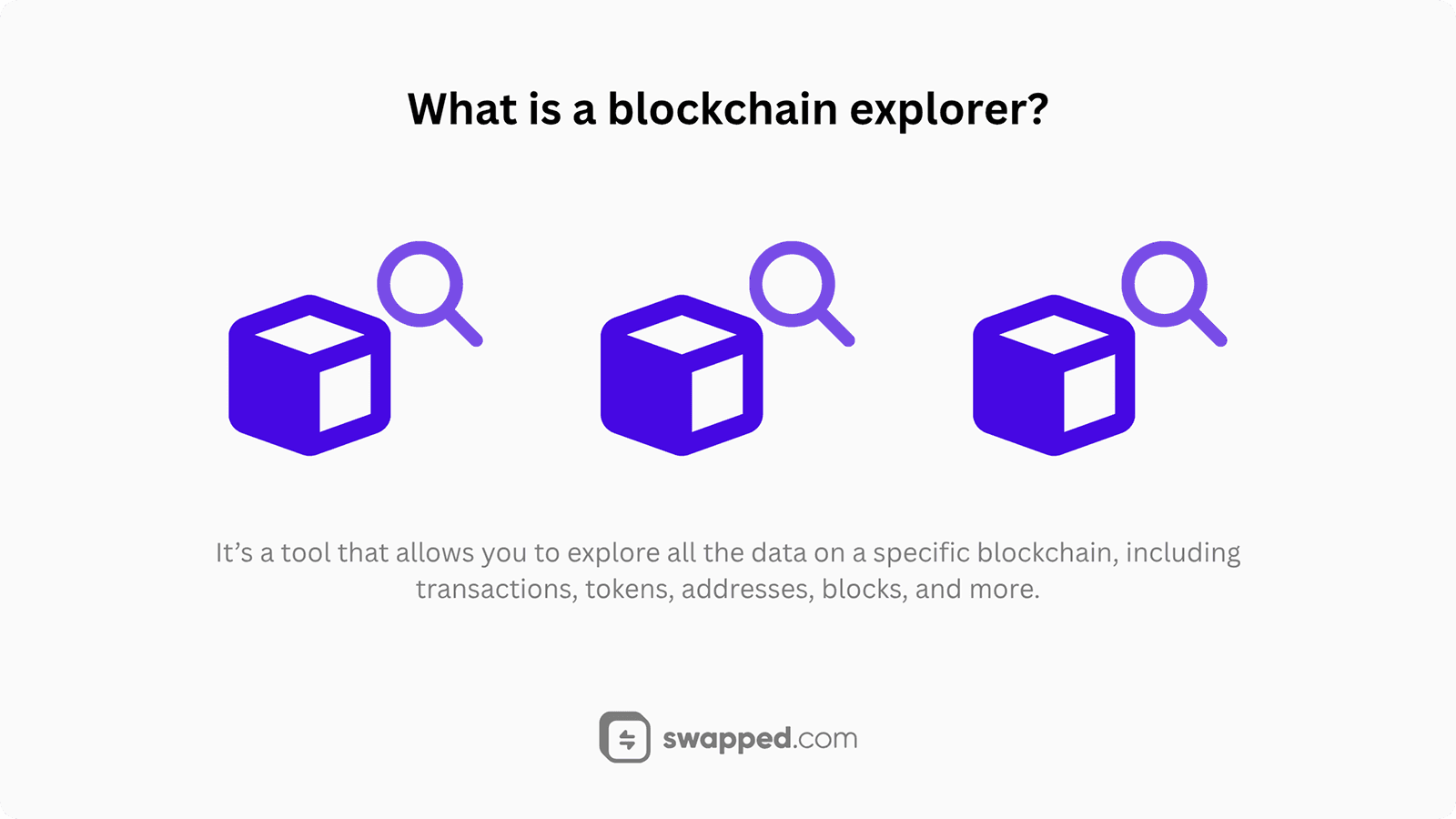
An explorer helps inspect evidence; it does not guarantee an asset’s safety or future value.
How the Information Is Organized
Explorer software reads network data and builds an index that supports searches and summaries. Indexing can lag or omit particular views. If a result appears inconsistent, compare the network, status and data scope before concluding that funds are missing.
An operation involving an NFT or another contract can produce several events and balance changes within one transaction. The summary label is useful context, but detailed inputs, results and events are needed to understand the complete operation.
Common Explorer Features
The same core features appear across many explorers, although names and network-specific details differ. Learn what each view can establish and which questions require evidence from another system.
Transaction search uses a transaction identifier to inspect submission or inclusion status and the recorded outcome. A found transaction is not necessarily successful. Check its result and the relevant confirmation or finality state.
An address lookup shows activity associated with a public identifier. It does not necessarily reveal every account in a wallet or identify the person controlling it. Custodians and contracts can represent many users behind one address.
A block view places transactions in network history and shows the relevant block or ledger details. Block height, timestamp and confirmation state should be interpreted according to that network’s rules.
For smart contract interactions, an explorer can show call data, events and sometimes published source code. Source verification concerns the relationship between code and deployment; it is not a certification that the contract is safe.
A fee view can describe current or historical network costs. An estimate does not guarantee immediate inclusion, and the total amount charged by a service can include fees beyond the network transaction cost.
Following a Transfer
Start with the transaction identifier supplied by the sending wallet or service. Open an explorer for the exact network and compare the sender, destination, asset, amount and result with the intended transfer. Check any required memo or tag separately.
If the network result is successful but an exchange balance is missing, the remaining issue may concern that service’s crediting rules. The explorer cannot directly show a private customer ledger. Use the public transaction reference when contacting the receiving service.
Network-Specific Examples
Etherscan provides an Ethereum view, while Solscan provides a Solana view. Other explorers cover other networks or multiple environments. Confirm mainnet versus testnet and the exact chain before searching an identifier.
Etherscan
Etherscan organizes Ethereum transactions, accounts and contract information. Its contract verification features help readers inspect published code. The presence of a verified-source badge should be kept separate from any claim of independent security review.
Solscan
Solscan presents Solana transaction, program and token information, including activity associated with DeFi applications. Solana-specific account and instruction models differ from Ethereum’s, so the meaning of a field should be checked in the appropriate documentation.
BscScan and EVM Network Views
Explorers for EVM-compatible networks can look familiar while displaying independent chain state. An address may have activity on several networks. A similar interface does not mean the balances or transactions belong to the same environment.
From Exploration to Analytics
Analytics products add labels, address groupings and derived metrics to raw records. These layers can be useful, but they introduce methodology and attribution choices that are not themselves consensus facts.
Arkham and Address Labels
Arkham organizes information using entities, labels and tags. Its own materials distinguish platform information from user-created labels. A screenshot with a name beside an address is therefore not sufficient proof that the named person controls it.
Nansen and Derived Datasets
Nansen provides labeled address data and analytics covering activities that can include memecoin trading and other token markets. Read the definition of each dataset. A category such as smart money is an analytical label, not a guarantee of future performance.
Chainalysis and Investigation Tools
Chainalysis offers tools for investigating flows and related activity. Such products combine network records with additional attribution and analysis. A meaningful conclusion should identify the underlying evidence and the limits of the classification.
What On-Chain Data Can Establish
Public records can answer concrete questions about recorded operations. They are less complete for questions about motive, beneficial ownership or off-chain agreements. Keep the observed movement separate from a proposed explanation.
For example, an exchange deposit does not prove a sale, and an address balance does not reveal offsetting positions elsewhere. On-chain visibility is valuable precisely when its boundaries are understood.
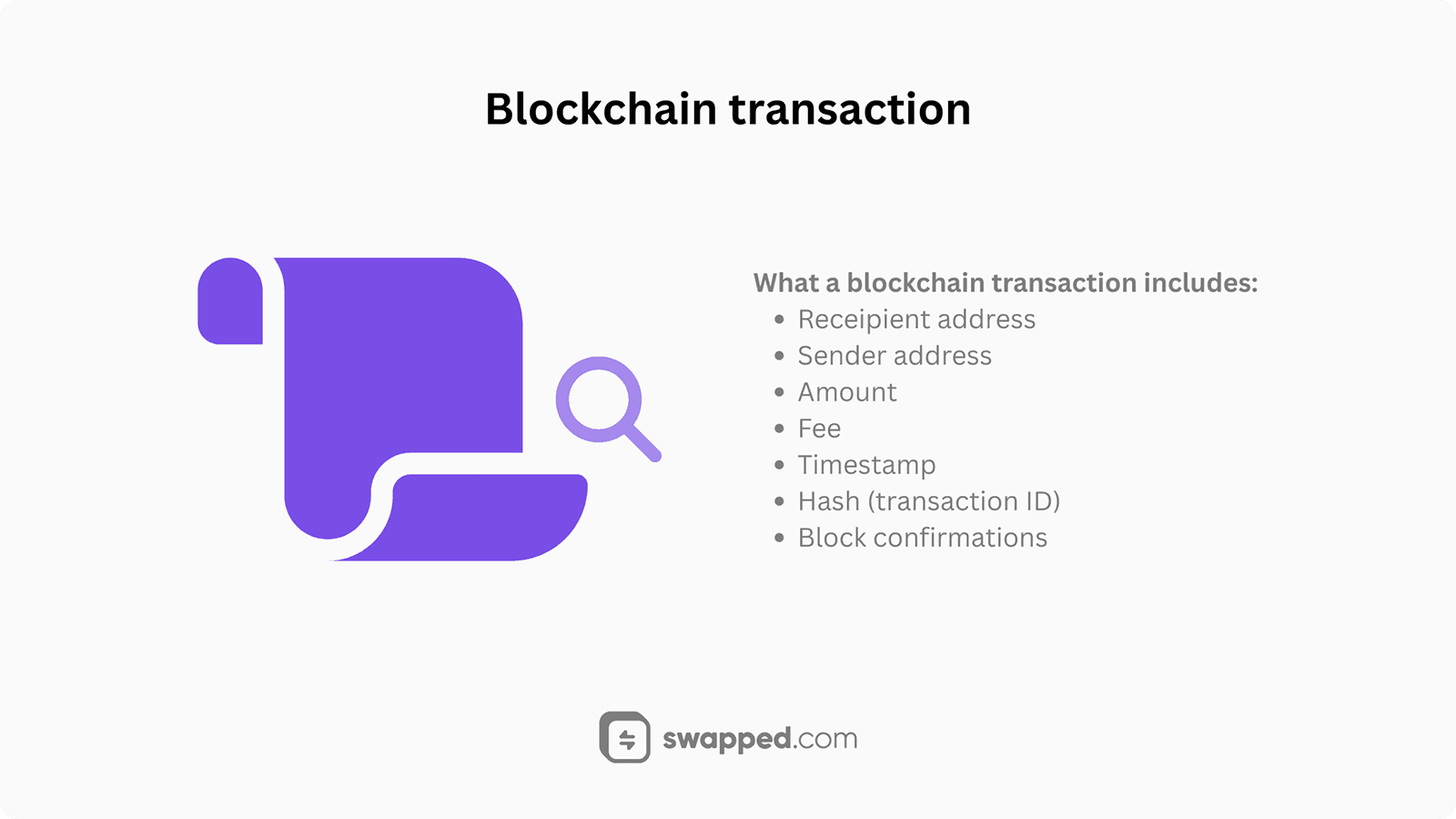
Blocks organize recorded transactions; analytics adds another layer of interpretation.
What On-Chain Analysis Means
On-chain analysis studies network records to describe activity and relationships. It can include simple counts or complex entity grouping. Every metric needs a definition, time window and explanation of what data is included or excluded.
Using Explorers Around Trading
For decentralized exchanges, an explorer can help inspect a pool, token identifier or executed transaction. It cannot guarantee liquidity, legitimacy or a profitable trade. Review contract controls and actual execution evidence without treating a label as approval.
Research and Reconciliation
Explorers are useful for reconciling public transfers with application records and documenting an issue. Preserve the network, transaction identifier, relevant ledger position and observation time. That makes the finding reproducible for someone reviewing it later.
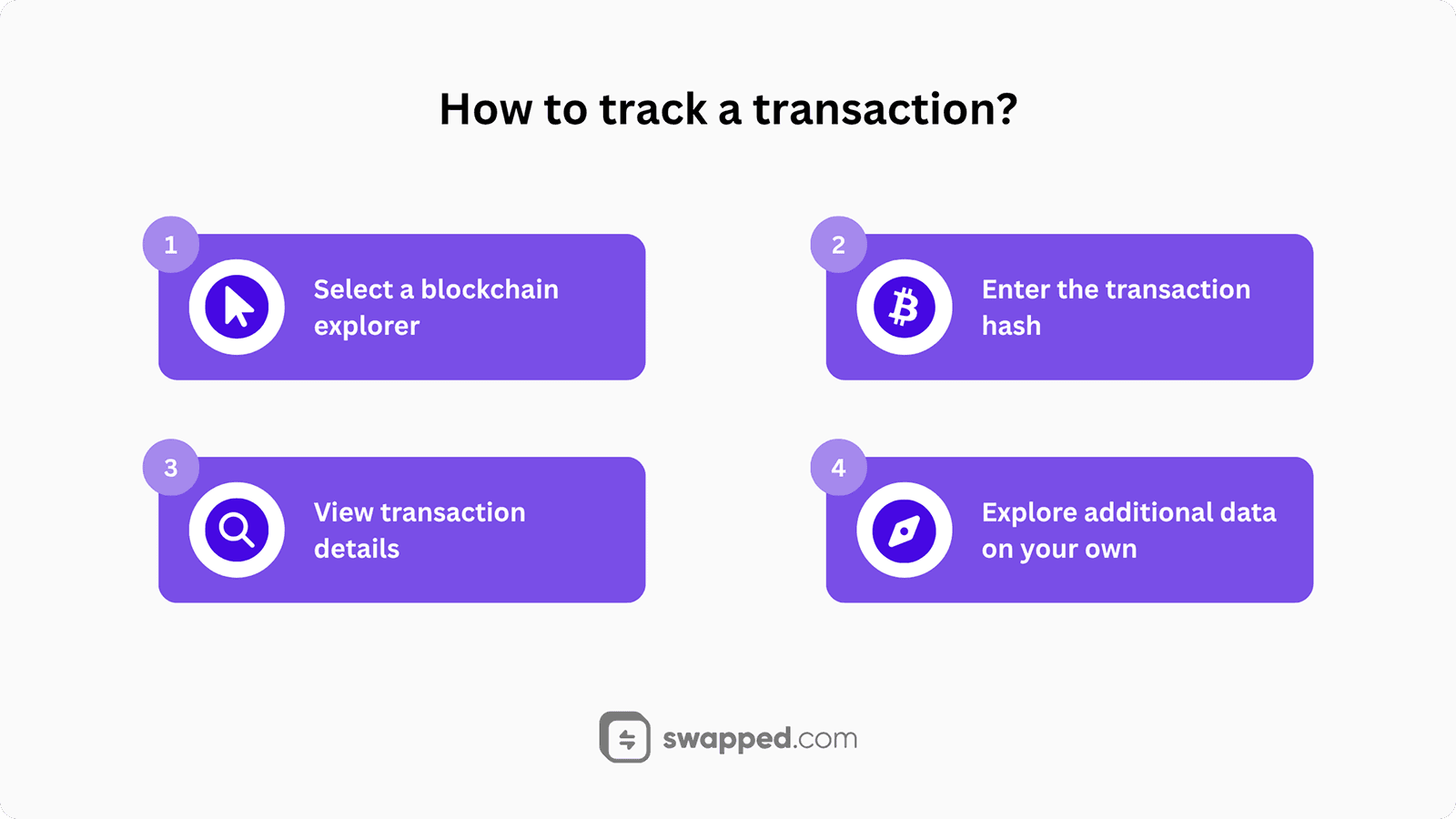
A transaction reference connects a user’s intended operation with the network’s recorded result.
A Useful First Exercise
Choose a known public transaction and identify its network, outcome and destination. Then separate the fields recorded by the protocol from labels or price estimates added by the explorer. This builds a reliable reading habit without requiring a new transaction.
Related Reading
The linked guides provide additional examples. Use each explorer’s current documentation to interpret network-specific fields and distinguish raw records from derived analytics.