A blockchain explorer presents network records in a searchable interface. Learn what transaction, address and block views can establish—and what they cannot.
A blockchain explorer makes network records easier to inspect. Instead of reading raw node responses, a user can search for a transaction, address or block and see a structured view. The explorer is an interpretation of data, so its network and data source matter.
A useful comparison is a searchable index rather than an account provider. An explorer can show a recorded transfer without controlling the funds or crediting an exchange account. It reports part of the story; the application using that transfer may maintain separate records.
How Explorer Views Are Built
Explorer software collects and indexes information from a particular network. Two explorers can organize the same data differently or update at different times. Always confirm the network and whether the view refers to mainnet, testnet or another environment.
A transaction identifier usually provides the most precise starting point for investigating a transfer. An address search provides a broader activity view. The appropriate interpretation depends on whether the network uses account balances, unspent outputs or another state model.
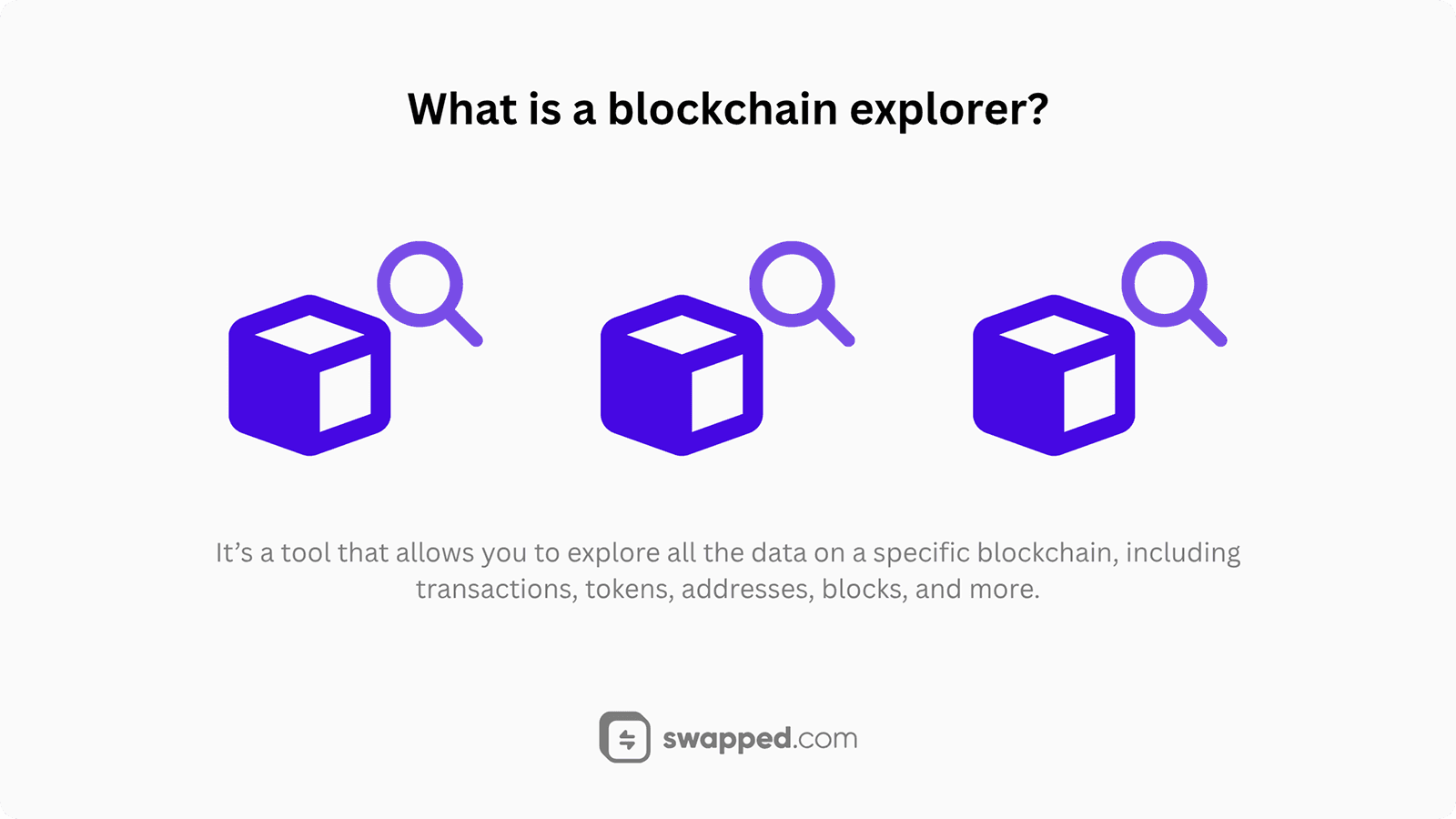
An explorer provides evidence about network activity, not a guarantee of safety.
Choose the Relevant Network View
The right explorer is the one that indexes the network where the transaction was actually submitted. A familiar asset symbol does not identify that network by itself.
Reading Bitcoin Activity
Bitcoin explorers can show transaction inputs, outputs, fees and confirmation information. An address view aggregates relevant outputs, but it is not a complete description of a person’s wallet. A wallet may control many addresses and choose change outputs automatically.
Reading Ethereum Activity
Ethereum explorers can distinguish transfers, contract calls, receipts and token events. A transaction’s overall status and the events produced by its execution answer different questions. Review the actual result rather than relying only on a token transfer label.
Other networks expose different record types and finality rules. Learn the fields used by the relevant network before applying an interpretation borrowed from another explorer.
What an Explorer Can Show
An explorer can combine protocol data with labels, estimated values and third-party metadata. Separate the underlying record from additions that depend on the explorer’s own assumptions or sources.
Transaction Evidence
A transaction page can show its identifier, included block, involved addresses and execution result. A pending submission is different from inclusion, and inclusion can be different from the level of finality required by the receiving application.
Fee displays also need context. The network charge is not necessarily the same as an exchange withdrawal charge or a service fee. A transaction page may reveal only the network portion.
Address and Account Views
An address view helps inspect balances and activity associated with that address. It does not prove the identity, intentions or total holdings of the party controlling it. Shared custodial addresses can represent many customers rather than one owner.
Labels and known-entity tags are useful leads, but should be treated as claims with a source. An address appearing beside a recognizable name is not sufficient evidence to authorize a transfer.
Network-Level Information
Block intervals, fees, pending activity and other statistics can help describe network conditions. Their definitions vary by explorer. Check units, sample windows and whether the displayed figure is observed data or an estimate.
A fee estimate or recent confirmation pattern is not a promise about the next transaction. Conditions can change, and the sending application may apply its own submission policy.
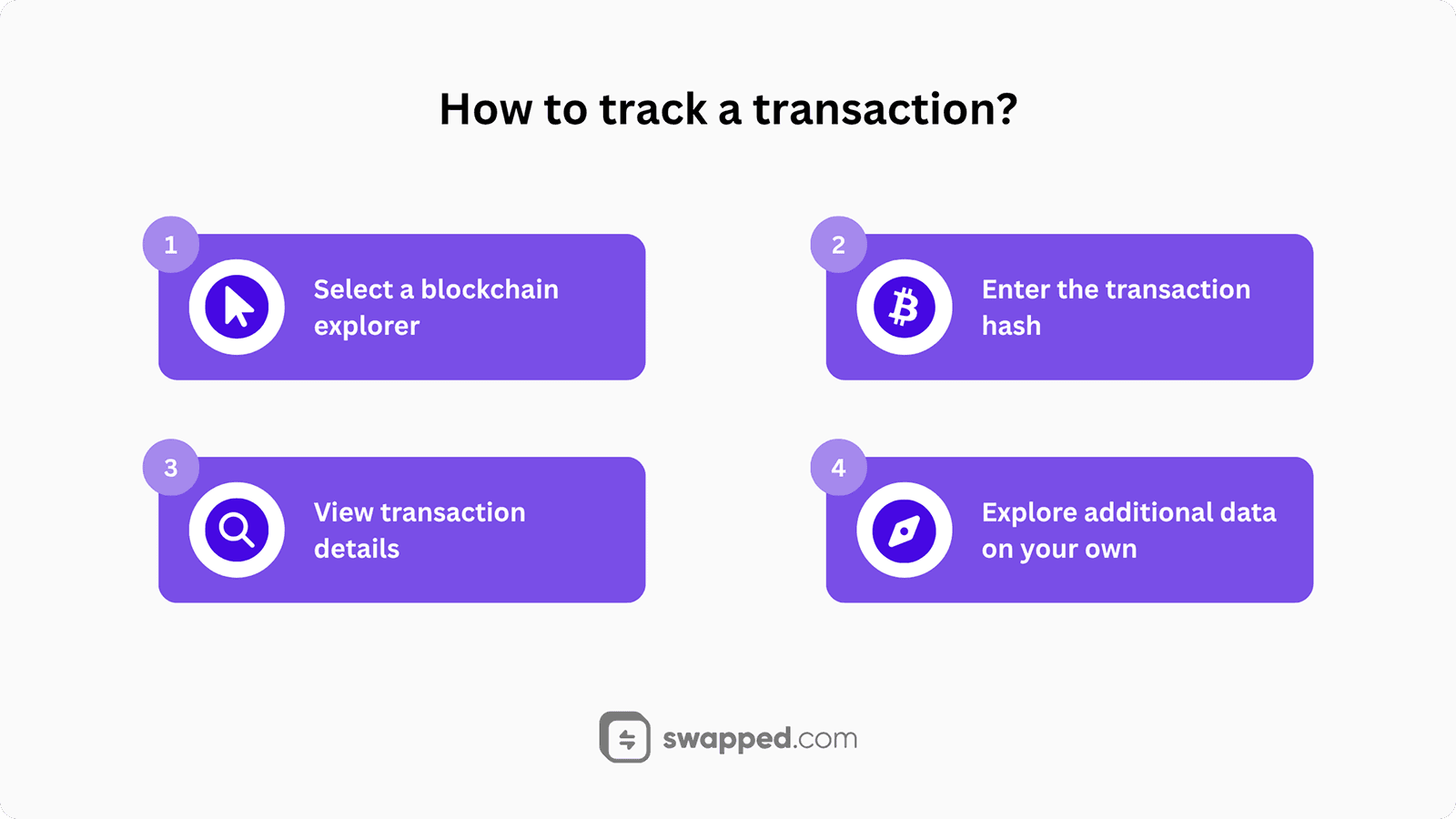
Follow a transaction by its identifier and interpret each recorded stage.
Useful Questions to Investigate
For a missing deposit, first confirm that a transaction exists on the intended network. Then inspect its result and destination. If the network stage succeeded, the receiving service’s crediting process may need a separate investigation.
For an unfamiliar token, compare its contract or issuer identifier with primary documentation. A name, logo or quoted value in an explorer can come from metadata and should not be treated as proof of authenticity or redeemability.
For market research, large transfers can be observations without revealing their purpose. Internal custody movements, rebalancing and settlement can look similar. Avoid turning address activity into a confident prediction about price or a person’s intentions.
Related Concepts
FAQs about Blockchain Explorer
Does an explorer reveal an address owner?
Usually the protocol record identifies addresses, not verified personal identities. Explorers may add public labels or other metadata, and analysis can connect activity. Those additions have their own evidence and limitations; they are not an automatic identification of every address owner.