A black swan describes a consequential surprise outside normal expectations. The concept highlights the limits of prediction and the importance of examining fragile assumptions.
Black swan is a term for a highly consequential surprise that falls outside an observer’s usual expectations. In financial discussions, it points to the limits of a model or worldview, rather than simply describing any bad trading day or large price movement.
The term is often applied loosely after a crisis. A useful analysis asks what was unexpected, to whom, and based on which information. An event can surprise one participant while another had already identified the underlying vulnerability.
What the Term Describes
Nassim Nicholas Taleb’s formulation links unusual surprise, substantial impact and the tendency to make the event sound more predictable afterward. The lesson is about uncertainty and the limits of inference from a familiar historical record.
A severe loss does not automatically make an event a black swan. Some losses arise from known risks that were ignored or underestimated. Keeping that distinction clear avoids using the label to excuse preventable failures in custody, disclosure or risk controls.
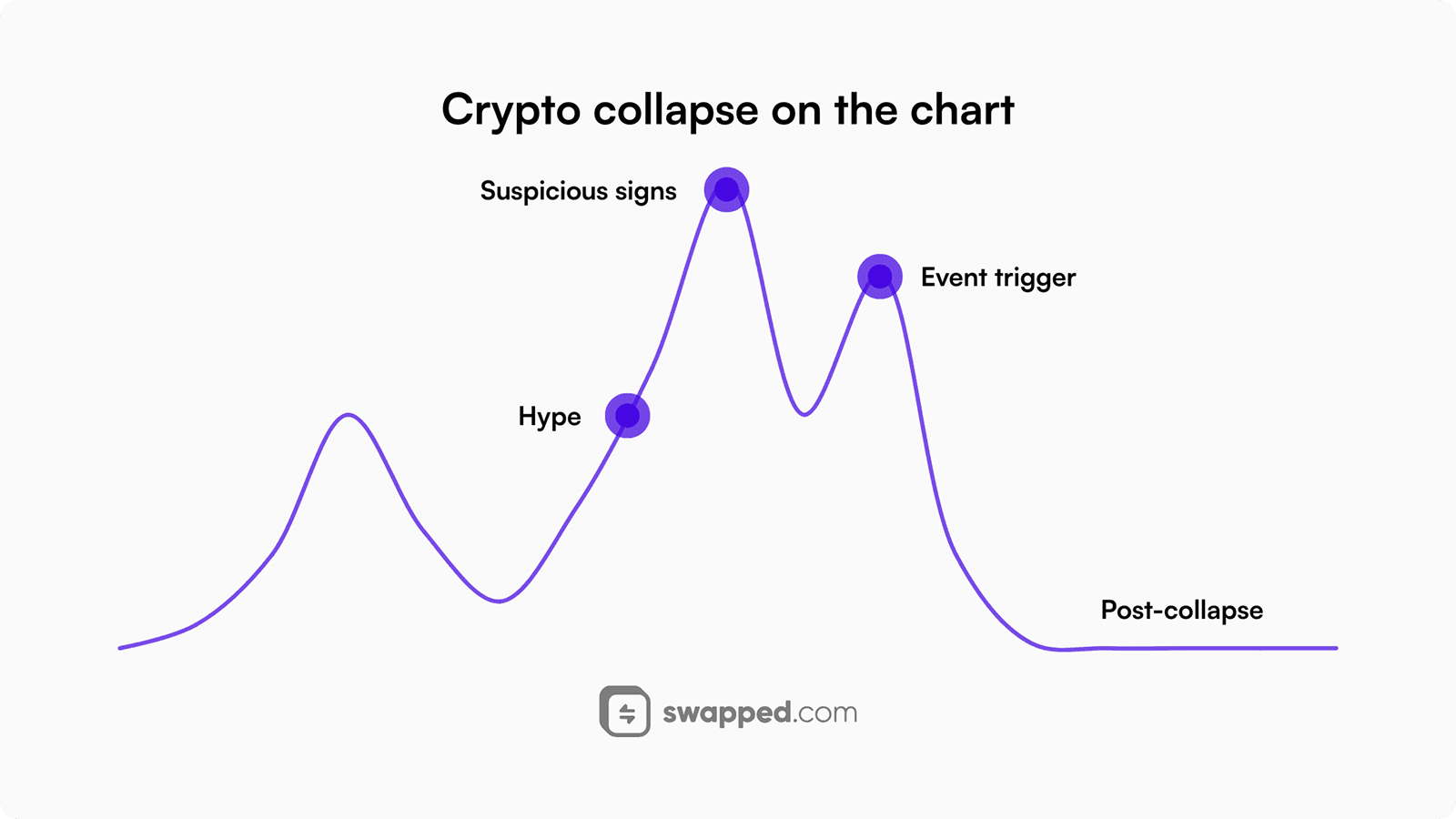
A surprising outcome can expose assumptions that ordinary scenarios missed.
Why the Concept Matters in Crypto
Digital asset systems can connect markets, custodians, lending arrangements and technical infrastructure. A failure in one component can affect others through shared collateral, liquidity or operational dependencies. Mapping those connections is more useful than predicting a particular headline.
A long period of normal withdrawals, stable prices or reliable execution does not prove that a system will behave the same way under stress. The relevant question is which conditions the observed track record has actually tested.
Distinguish Event and Vulnerability
The trigger is the event that starts a disruption. A vulnerability is the condition that makes the disruption damaging. The trigger may be hard to forecast, while concentrated custody, short-term obligations or inadequate recovery procedures can be identified earlier.
This distinction changes the investigation. Instead of asking only why an event was missed, examine why the system could not absorb it. That approach can reveal practical dependencies even when no reliable probability estimate is available.
How Shocks Can Spread
A market decline can reduce collateral value, force position closures and change liquidity at the same time. A service outage can also prevent participants from adjusting. The combined effect may differ from analyzing each component independently.
These are possible mechanisms, not a prediction that every disruption follows the same path. Investigate the actual exposures and transaction evidence before asserting that two simultaneous events have a causal relationship.
Working With Uncertainty
A scenario review asks what happens if an assumption fails: a custodian is inaccessible, a transfer is delayed or a market has little depth. The exercise is valuable even without claiming to know when such a situation will occur.
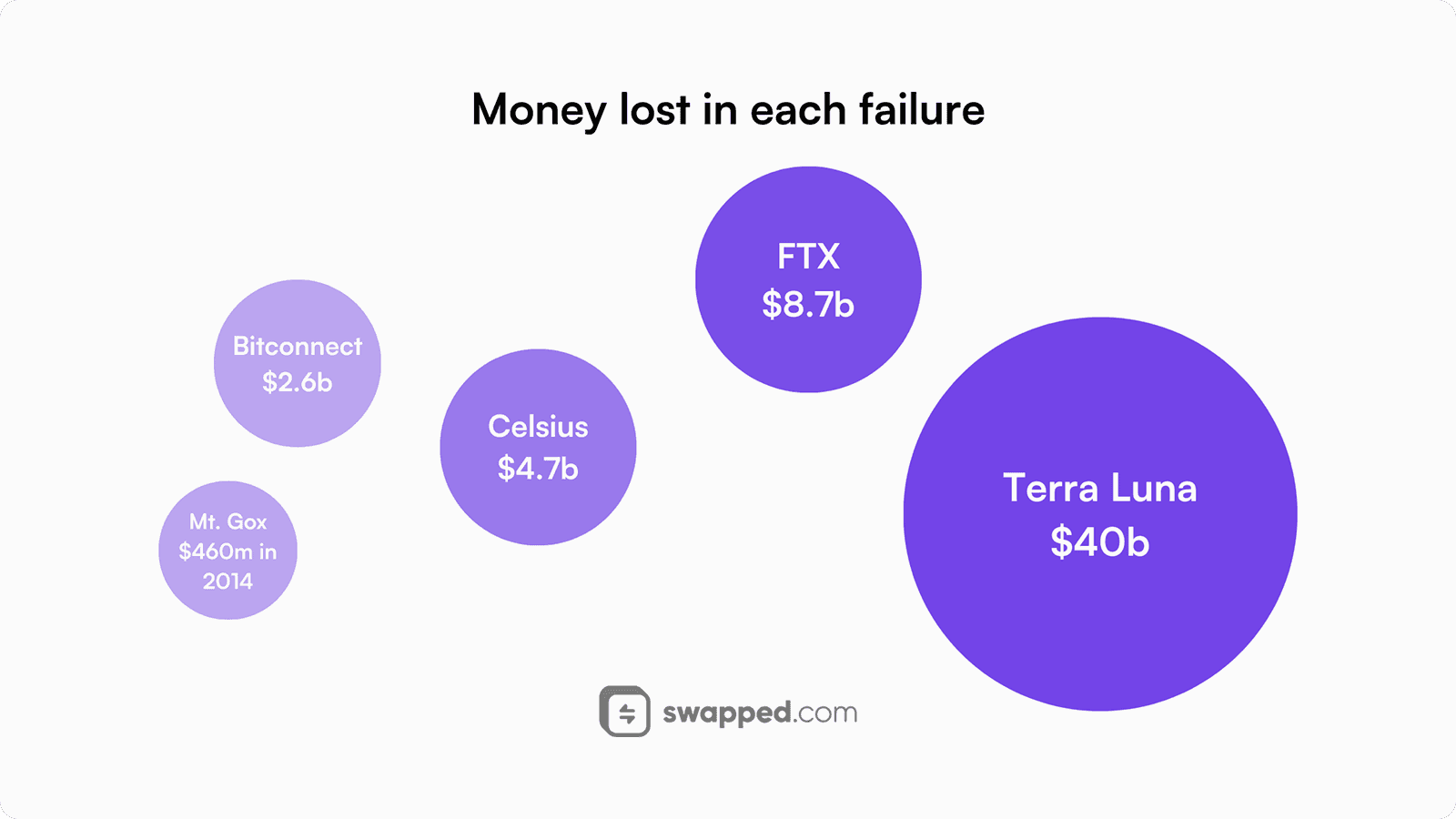
Scenario analysis examines consequences without claiming to forecast the trigger.
Examine Concentrated Dependencies
Several holdings may rely on the same exchange, issuer, network or price source. A list of different assets can therefore hide a common failure point. Describe those dependencies explicitly when reviewing the structure of a system or portfolio.
Read the Limits of a Model
A model based on past observations depends on its assumptions, sample period and treatment of extreme outcomes. An apparently precise result should be accompanied by those limits. More decimal places do not remove uncertainty about a poorly understood event.
The practical value of the black swan concept is intellectual discipline: distinguish what is observed, what is modeled and what remains unknown. It is not a timetable for the next crisis or a promise that any strategy will survive every possible shock.
Related Concepts
FAQs about Black Swan
Can a black swan be predicted precisely?
A precise prediction conflicts with the idea of an event lying outside the observer’s normal expectations. It is still possible to identify vulnerabilities and examine severe scenarios. Those activities prepare an analysis for uncertainty without claiming to forecast a specific surprise.