Alpha can mean measured performance beyond a benchmark or an informal claim of useful information. Distinguish a calculation from a tip and examine the evidence behind both.
Alpha has more than one meaning. In investment analysis it relates to performance beyond a specified benchmark or model. In crypto conversations it often means information presented as an advantage. Confusing those meanings can make an untested claim sound like a measured result.
Two Meanings of Alpha
A performance measure needs a benchmark, period and method. The same return can look different against different comparisons. Risk adjustment and costs also affect the interpretation, so an alpha figure without its calculation context is incomplete.
Informal crypto alpha is usually a research idea, observation or tip. It may concern a project release, governance decision or market pattern. Calling information alpha does not establish that it is accurate, new or useful to a particular decision.
The first question is therefore what the speaker means. Are they reporting measured past performance, proposing a hypothesis or selling access to a supposed opportunity? Each type of claim requires different evidence.
Reading a Research Claim
A good research note states the observation, source, date and reasoning. It also identifies what evidence would contradict the conclusion. That makes the idea inspectable instead of depending on the author’s confidence or reputation alone.
Primary Information
A project’s code, published documentation or governance record can establish specific facts about what was proposed or implemented. Those facts do not automatically establish demand, adoption or future token value. Keep the documented event separate from the market interpretation.
Check whether the information is current and whether it applies to the actual deployed version. A roadmap item, test deployment and production feature are different stages. Research that merges them can exaggerate progress without an obvious numerical error.
Market Observations
A price or volume observation needs its venue, time window and measurement method. A screenshot can omit the surrounding period or relevant costs. Data becomes useful when another reader can reproduce the observation and examine alternative explanations.
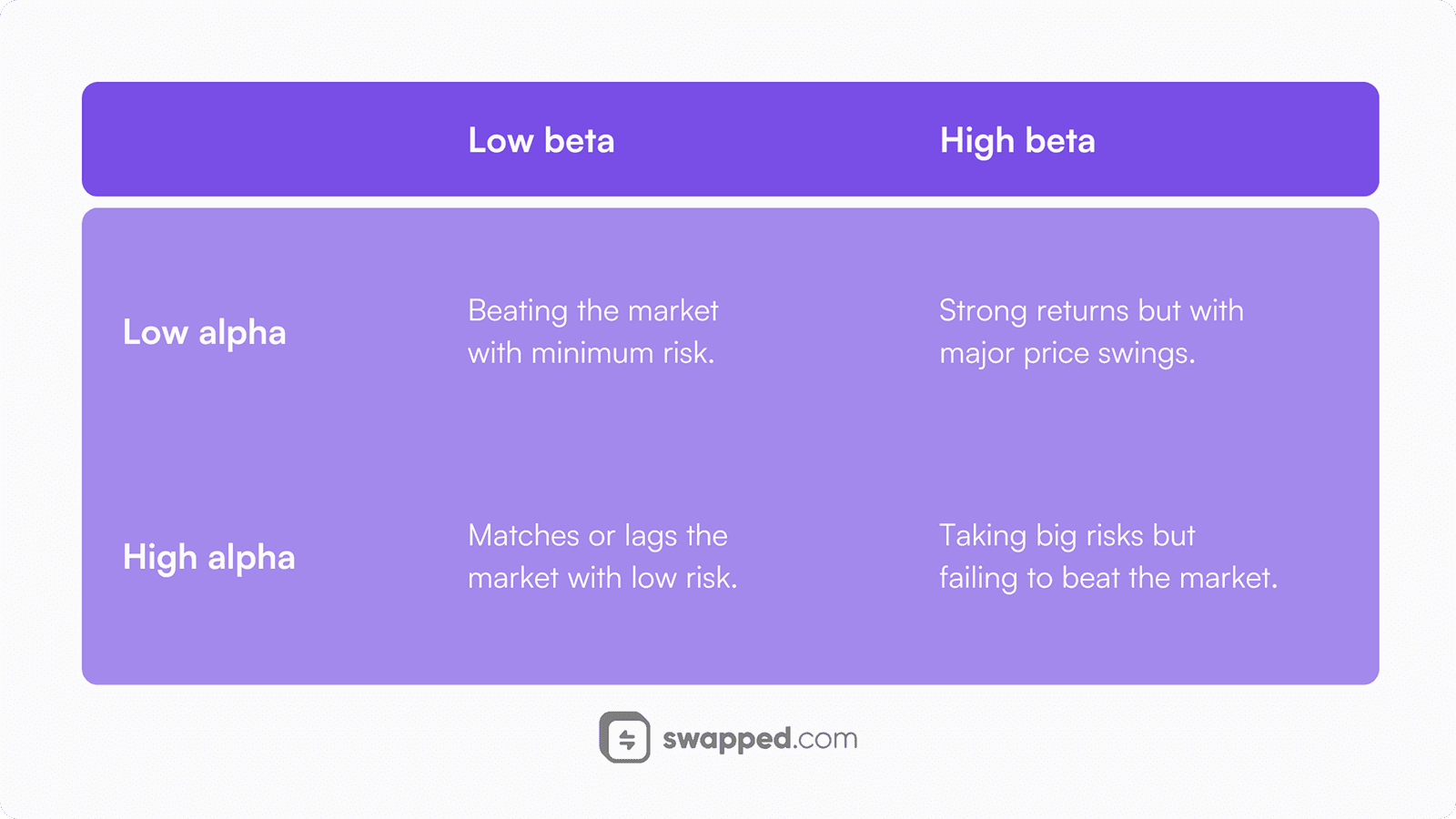
An information claim and a measured performance result need different evidence.
How Claims Become Misleading
A compelling story can combine true facts with unsupported conclusions. The difficulty is often the reasoning between the facts. Ask which assumptions connect an announcement or transaction to the predicted outcome.
Selective Examples
A list of successful calls can omit failed ideas, later edits or the prices available when the ideas were published. Evaluating a track record requires a defined set of observations rather than a collection chosen after outcomes are known.
Costs and execution also matter. A hypothetical entry at a displayed price is not evidence that a trade could be completed at that price and size. A claim of historical profit should explain its assumptions and limitations.
Incentives and Promotion
Someone sharing a token idea may already hold it or receive compensation for promotion. That does not settle whether the facts are correct, but it is relevant context for interpreting urgency, omissions and the choice of examples.
A paywall or private chat does not prove exclusivity or quality. Before relying on a claim, identify what is actually being provided and whether the evidence can be checked independently. Pressure to act immediately reduces the opportunity for that review.
A Repeatable Review Method
Write the claim in plain language. Separate the observation from the forecast, and identify the source of each factual statement. Then note the missing information, competing explanations and conditions that would change the conclusion.
Check Source and Timing
A correct announcement can already be reflected in a market price. A copied rumor can also circulate through many accounts while originating from one unverified source. Repetition is not independent confirmation.
Use the original publication where possible and record its time. If a document has changed, compare versions before treating an old quotation as current. Clear provenance is more useful than the number of people repeating the claim.
Evidence quality matters more than urgency or the promise of exclusivity.
Keep Measurement Separate
When alpha is used as a performance measure, ask for the benchmark and method. When it is used as slang, treat it as a hypothesis. Neither use of the word guarantees future returns or removes the possibility of a loss.
DTCC Trading’s glossary explains the language used around digital assets. It does not offer a trading signal service, verify a third party’s track record or approve undisclosed information. Evaluate each claim according to its actual evidence and context.
Related Concepts
FAQs about Alpha
Is alpha a guarantee of a profitable trade?
No. A historical performance measure does not guarantee future results, and an informal tip may not be accurate or actionable. Costs, timing, liquidity and changing conditions can produce a different outcome even when part of the original observation was correct.