Understanding Purchases Paid With Crypto
Explore how crypto checkout, gift cards and merchant payment processors work, including quotes, network matching, delivery and refunds.
DTCC Trading Editorial

Paying with Bitcoin or other cryptocurrencies depends on what the merchant actually accepts. A logo on a directory or an old announcement is not enough. The current checkout must identify the supported asset, network and terms for the purchase you intend to make.
Crypto can be used in several different payment arrangements: a merchant can receive it directly, a processor can convert it, or an intermediary can sell a gift card. Those routes create different responsibilities and should be compared separately.
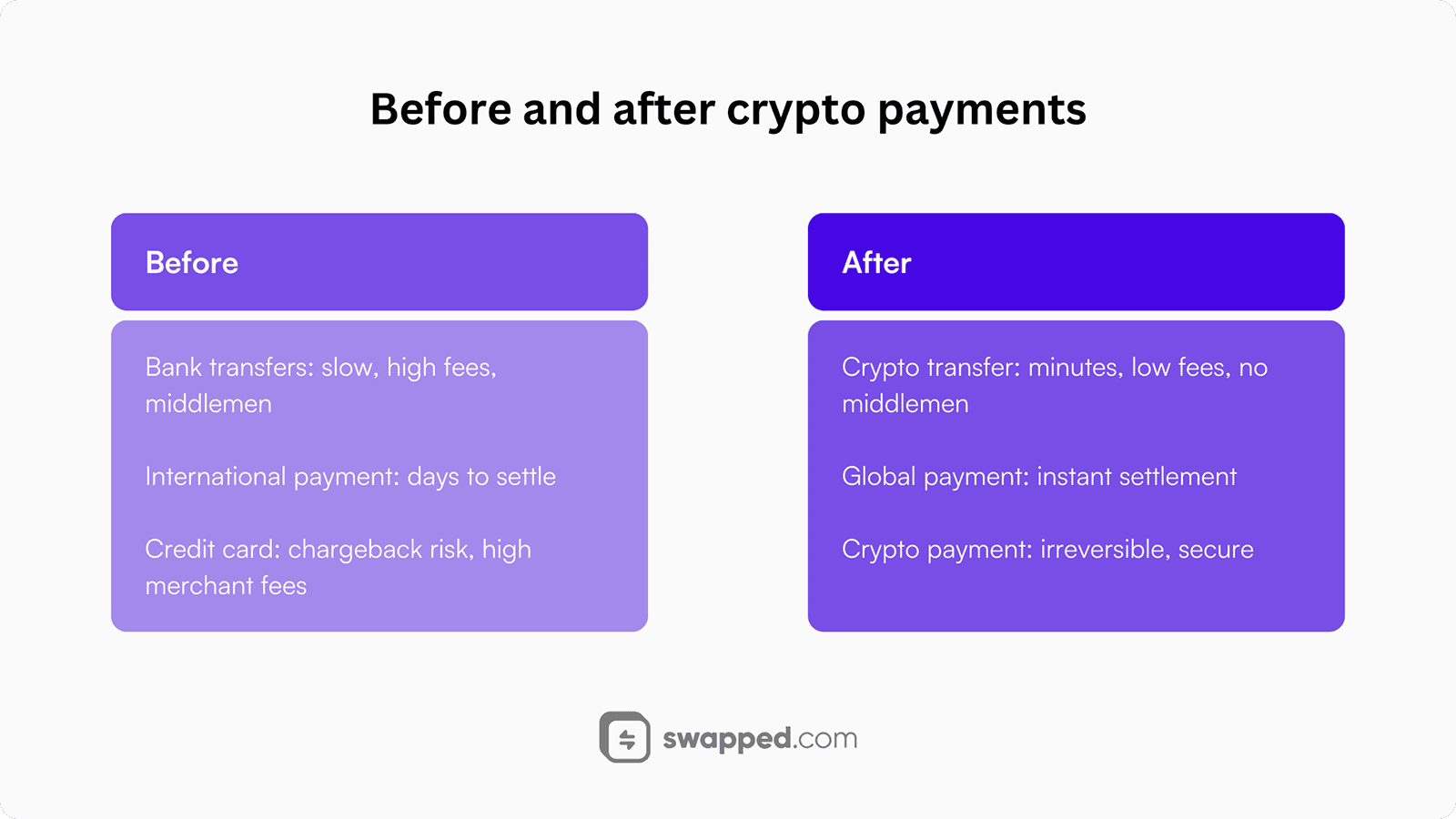
A crypto payment route can include a merchant, a processor and a separate conversion step.
Paying for Digital Products
Digital delivery does not automatically make a payment compatible with a particular token. Check the current checkout, account region and product restrictions. The payment route and the right to receive the product are separate parts of the purchase.
Gift Cards and Store Credit
A gift-card service can accept an asset such as Ethereum and issue credit for another retailer. The retailer may receive ordinary currency and may not accept crypto directly. Describe this as an intermediary purchase rather than a direct merchant integration.
Before purchasing a card, check its region, currency, eligible products and redemption conditions. A card intended for one country may not work in another account. Those restrictions can matter more than the payment method used to obtain it.
Compare the amount of store credit with the total asset and fees paid. Also read expiry and refund rules. Once a code is delivered or redeemed, the available remedy can differ from a normal card purchase.
Software Access and Recurring Plans
For software or VPN services, verify whether crypto is supported for the exact plan and billing cycle. A one-time invoice and automatic recurring billing are different arrangements. Paying the first invoice does not establish how renewal will work.
For services such as website hosting, confirm which account receives the credit and what happens if payment arrives late. The provider’s invoice policy determines when service begins or renews; network submission alone may not satisfy that policy.
Digital marketplaces can have seller-specific payment and delivery rules. Check whether you are buying a license, an account entitlement or a transferable asset. A successful payment does not expand the usage rights granted by the product terms.
Purchases in Daily Life
For an everyday purchase, the practical question is whether the merchant’s current checkout supports a complete, usable route. Acceptance can vary by branch, country, online store or payment processor.
Dining and Leisure Payments
A restaurant or event seller may accept a direct wallet payment, use an invoice processor or sell through a voucher intermediary. Confirm which arrangement is present before assuming a general statement about the brand applies to your order.
Time-sensitive purchases need clear confirmation rules. A payment that arrives after an invoice expires may require manual review. Avoid resending simply because the merchant screen has not updated; first inspect the original payment and order status.
Keep the receipt and merchant contact details. If a payment is recorded but the order is missing, the transaction reference and order identifier help establish which stage needs attention. A public address alone may not identify the purchase.
Booking Travel and Transport
When booking flights or other travel, distinguish a provider such as an airline from an intermediary selling its services. The payment collector, ticket issuer and party responsible for changes or refunds may be different organizations.
Check cancellation, amendment and refund terms before paying. A refund can be defined in the original asset amount or in a reference currency at a later rate. Those choices can produce different results when the asset price changes.
Crypto does not remove local currency needs or documentation requirements. Deposits, incidental charges and taxes may use other payment methods. Review the whole trip rather than assuming one accepted booking payment covers every expense.
Larger Purchases
For a high-value purchase, payment is only one part of the agreement. Identity checks, ownership documents, delivery conditions and remedies need to be settled independently of the technology used to transfer value.
Collectibles and Luxury Goods
If a retailer advertises crypto acceptance, verify it directly through the retailer’s trusted channel. Confirm the item, authenticity documentation and payment beneficiary. An impersonated invoice can look convincing even when the product listing is real.
An asset transfer does not authenticate the goods. Inspection, provenance and the seller’s contractual obligations remain relevant. A transaction record proves a network operation, not the quality or legal ownership of a physical item.
A large payment also deserves a clear rate-lock and settlement agreement. Specify the required asset, network, amount and timing, and identify how a partial, late or excess payment will be handled.
Vehicles and Other Registered Property
A seller’s willingness to accept crypto does not complete registration or title transfer. The purchase agreement should identify the asset being sold, the legal seller and the steps required before ownership changes.
Verify payment instructions through an established channel, especially if they change during the transaction. Confirm who controls the receiving account and how the payment will be matched to the contract. Do not rely on an unsolicited replacement address.
Financing, deposits and final settlement can use different arrangements. Compare the full terms and required evidence before treating crypto payment as more convenient or less expensive. The answer depends on the actual transaction.
For a larger purchase, payment evidence and ownership-transfer evidence serve different purposes.
Professional Work and Business Purchases
A business payment needs a clear agreement about the work, invoice currency and settlement method. A crypto transfer can satisfy one agreed payment step, but it does not replace the rest of the commercial relationship.
Freelance and Consulting Invoices
A service provider can quote a price in an asset or use a local-currency amount converted at payment time. State which method applies, when the rate is fixed and which party bears network or conversion costs.
Cross-border work also needs an agreement on timing and receipt. The sender’s wallet confirmation, the network result and the recipient’s invoice reconciliation can occur at different stages. Define what counts as paid.
Professional obligations and local rules still apply when the payment medium changes. Retain the contract, invoice and transaction record. Any accounting or tax treatment requires current guidance for the relevant business and jurisdiction.
Online Stores and Digital Businesses
An online store can connect a crypto payment option to its order system through a processor or its own infrastructure. The integration must connect the quote, payment status and fulfillment decision to the same order.
An irreversible network transfer does not eliminate merchant fraud, refund obligations or customer disputes. It changes the payment mechanics. A merchant still needs a documented process for errors and contested purchases.
For a subscription or course, read how access is granted and renewed. A payment method can be supported for initial access without supporting every later charge. The checkout should state the actual arrangement.
What a Payment Processor Adds
A processor can prepare invoices, monitor transactions and communicate status to the merchant. Some also convert assets or arrange payouts. Each additional role should be identified in the service terms.
A crypto checkout can simplify the interface while still relying on several systems. Review who receives the asset, who determines the exchange rate and who delivers the merchant’s payout. This article does not establish a DTCC Trading merchant-payment service.
A useful checkout exposes the asset, network, expiry and amount before authorization. It also gives a durable order reference and explains the next step after payment. A polished screen is not a substitute for those details.
For time-sensitive businesses such as ticket sellers, payment monitoring must align with inventory and fulfillment. The system needs a defined response to expired quotes and delayed confirmations so a payment is not mistaken for a guaranteed reservation.
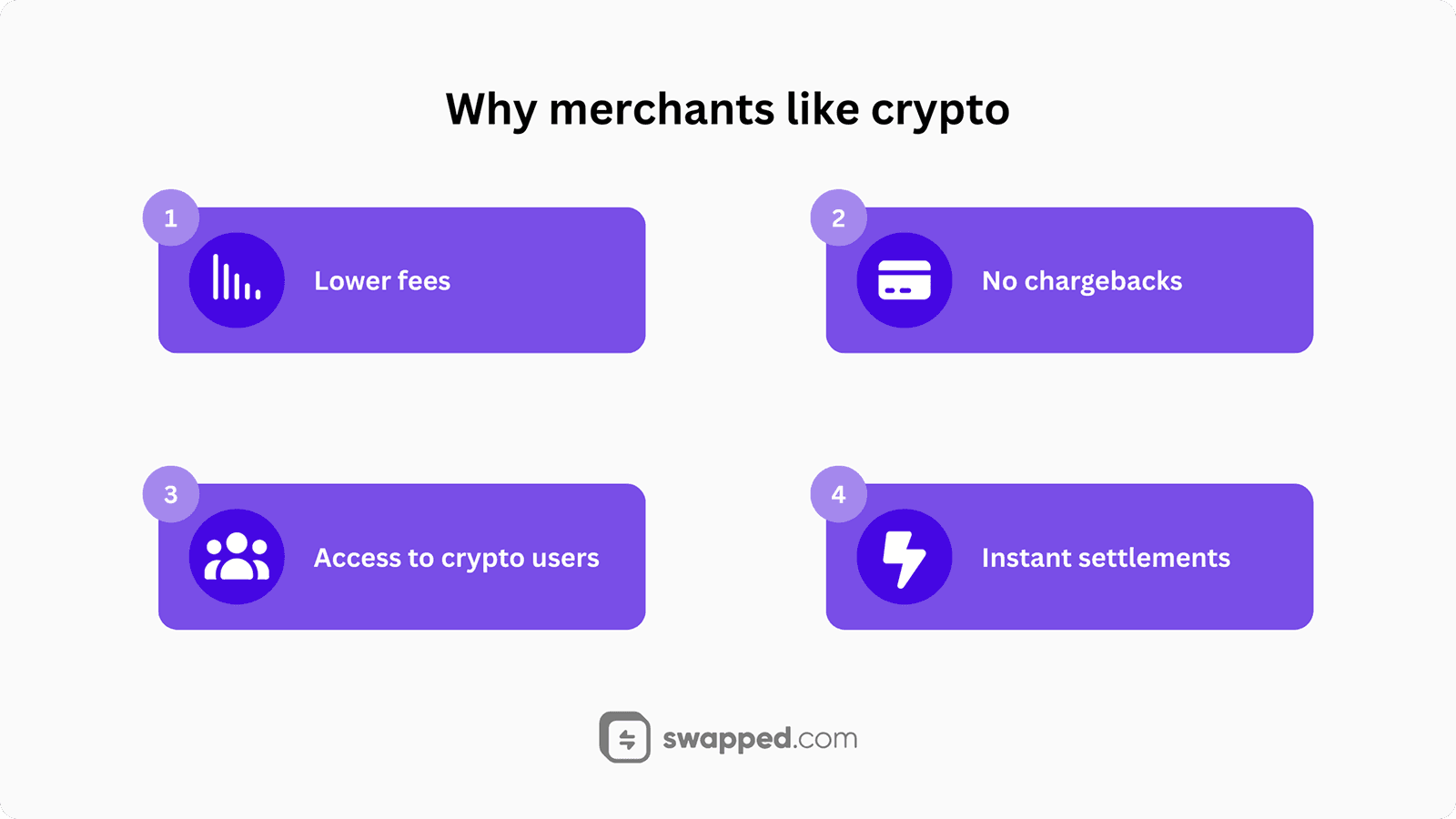
Evaluate the complete checkout, including fees, confirmation requirements and refund handling.
Reviewing a Crypto Checkout
Start from the merchant’s verified site or invoice channel. Confirm the item and amount in the order, then inspect the payment request. Do not purchase an asset solely because an unsolicited message claims it is required to release an order.
If a purchase requires you to obtain crypto, that acquisition is a separate transaction with its own cost and access requirements. Compare the full route before proceeding. This guide does not rank providers or promise a particular fee or delivery time.
At checkout, match the requested asset and network to the sending wallet. Check the complete destination, any memo and the quote expiry. A supported symbol on the wrong network can still produce an unusable payment.
Review the expected deduction and retain enough of any required fee asset. If the invoice expires before authorization, obtain current instructions. An old destination or amount should not be assumed valid for a new quote.
After submission, save the transaction reference and follow both the network result and merchant order status. If they disagree, investigate the original payment before repeating it. A second transfer can create a duplicate payment.
Evaluating Future Acceptance
Merchant acceptance can expand, contract or move between providers. A useful directory needs dates and route details. Treat it as a lead to verify rather than a guarantee that a named business accepts every cryptocurrency.
Adoption claims should distinguish a checkout option from completed purchases and ongoing usage. The presence of a logo or integration announcement does not reveal how often customers use the route.
The central question is practical: can this merchant receive the exact payment, fulfill the order and handle a problem under clear terms? That question works for a digital subscription as well as a larger physical purchase.
Understanding the payment arrangement helps you evaluate available options without assuming universal acceptance, automatic savings or guaranteed protection. The asset transfer and the purchase agreement need to work together.
Related Reading
Merchant directories and purchase guides can provide examples to investigate. Verify each example against the merchant’s current checkout and terms.