Apeing is slang for entering a crypto position impulsively, often before researching the asset. The term describes a decision process, not a reliable strategy.
Apeing is informal crypto language for rushing into a token or other asset with little investigation. It often appears around a new launch or a sudden wave of attention. The term describes how a decision is made, rather than the quality or eventual return of the asset.
What the Slang Means
Someone saying they aped into a token usually means they acted quickly on excitement, social momentum or fear of missing out. There is no precise time limit or transaction size that defines the term, and different communities use it differently.
The useful distinction is between an inspected decision and an impulsive one. A fast decision can be well prepared, while a slow decision can still lack evidence. The label matters less than whether the person understands the asset, permissions and transaction.
Why Urgency Appears
A rapidly changing price or a busy social feed can make waiting feel costly. That feeling can compress the time available to verify basic details. Urgency is therefore part of the context to examine, rather than evidence that an opportunity is legitimate.
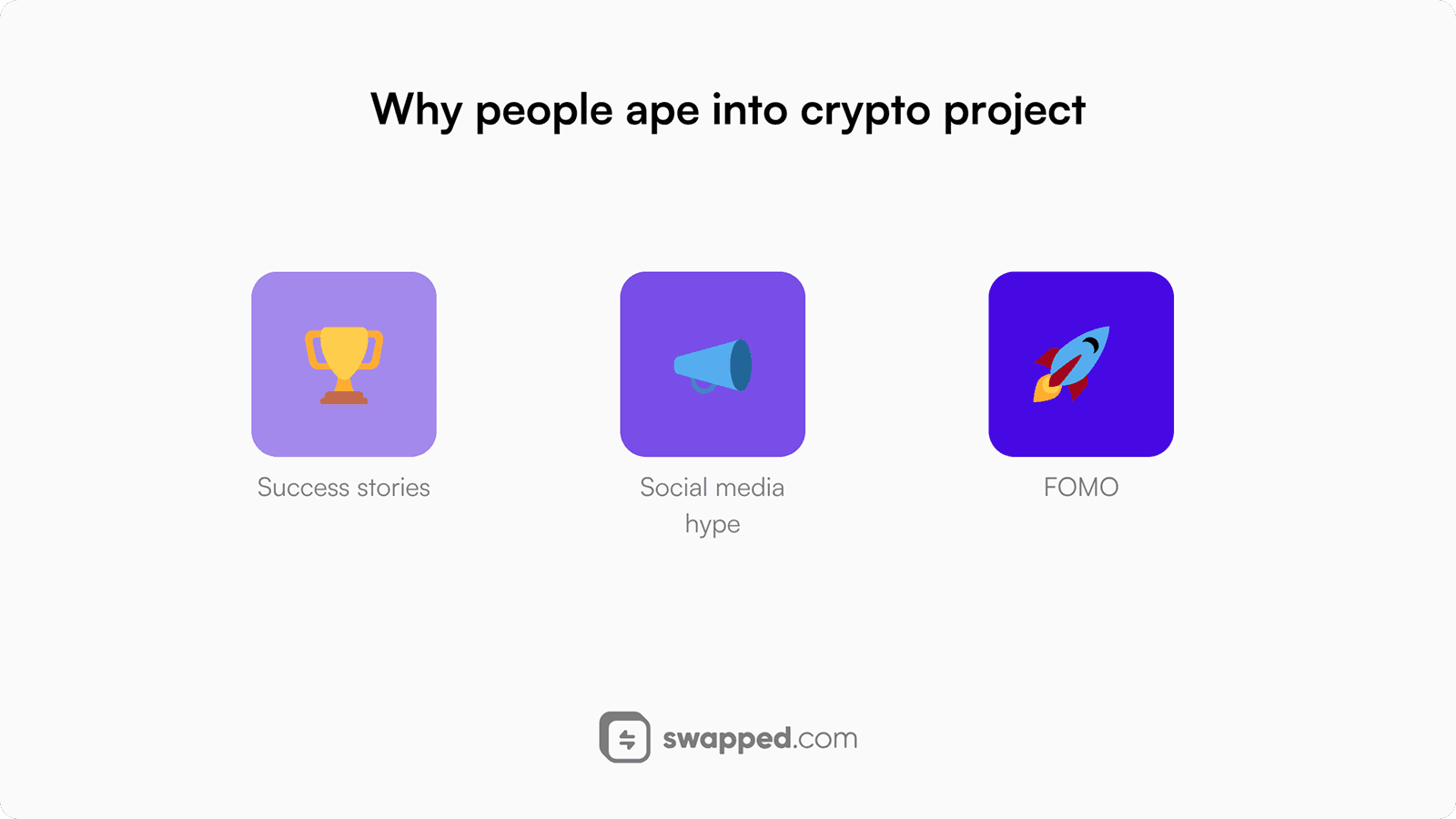
A rush to act can leave basic asset and transaction questions unanswered.
Fear of Missing Out
A few visible success stories can make a situation look easier than it is. They rarely show every participant, execution price or failed attempt. Compare the complete evidence with the story being told before treating other people’s excitement as a useful forecast.
Launch-Time Uncertainty
At a launch, documentation, liquidity and operational history may be limited. A token’s name or social presence does not establish its contract behavior. Newness is not proof of fraud, but it also does not justify skipping the questions that establish what is being acquired.
Social Reinforcement
Repeated messages can create an impression of agreement while all tracing back to one promoter or source. Look for independent evidence and disclosed incentives. The number of people posting the same claim does not measure its accuracy.
What a Rushed Decision Can Miss
The missing information often concerns practical mechanics: the correct asset identifier, available liquidity, transfer restrictions and the authority being granted. These details affect the transaction regardless of how persuasive the surrounding narrative feels.
Asset Identity and Control
Check the exact network and token identifier against primary documentation. Understand whether an issuer or administrator can change behavior, freeze transfers or alter permissions. A familiar symbol can be copied by unrelated assets.
Liquidity and Execution
A displayed market price does not guarantee that a large order can execute near it. Shallow liquidity, fees and slippage can change the result. The ability to buy also does not establish that the asset can later be sold under the same conditions.
Approval and Signing Details
A wallet prompt can request spending authority rather than a simple exchange. Review the spender, amount and operation. Rushing through the prompt can authorize something different from the action described in a promotional message.
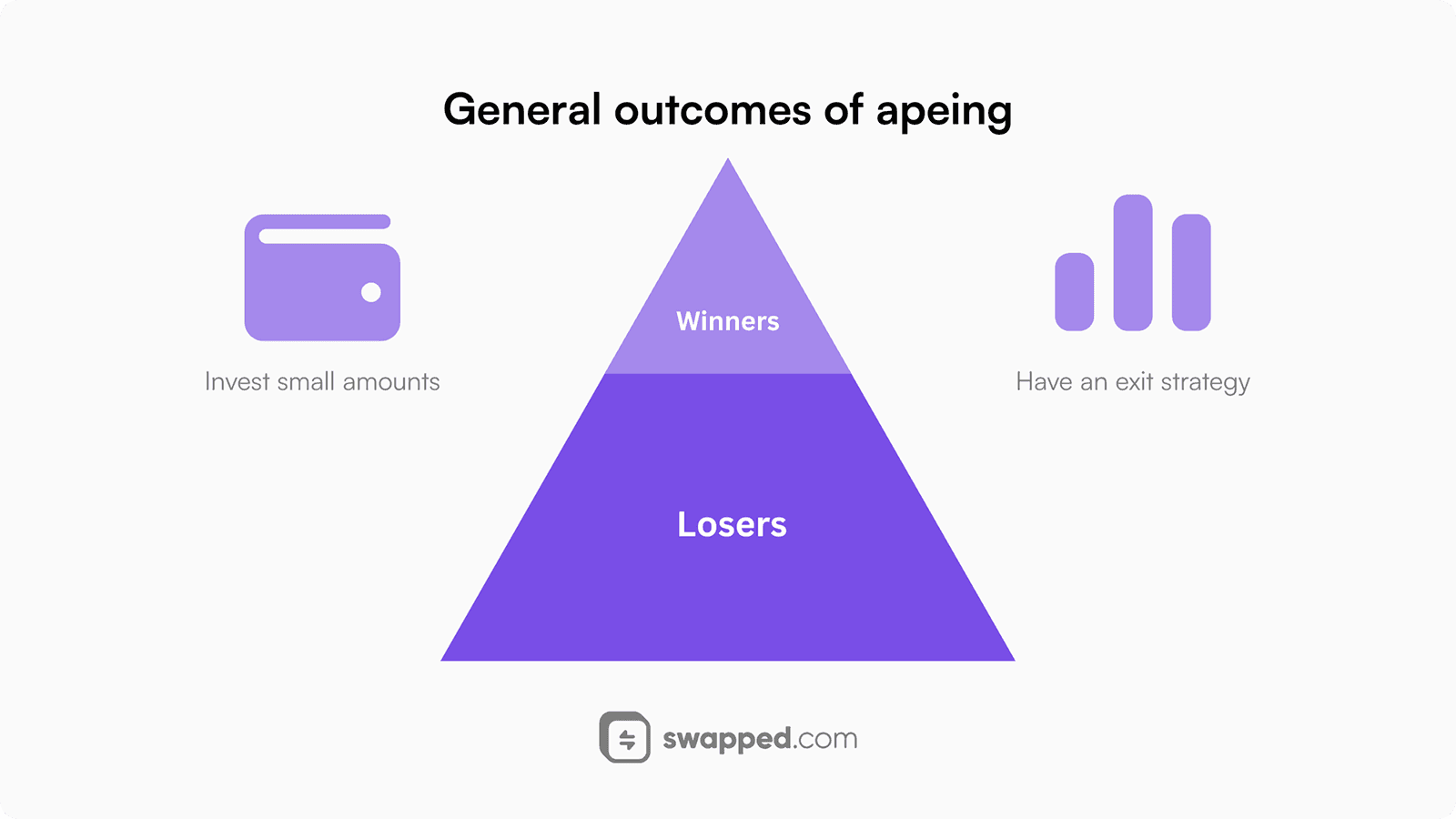
An asset decision and a wallet authorization both require clear details.
Replace Urgency With Questions
A short written explanation can expose gaps: what is the asset, what evidence supports the claim, what permissions are needed and what can go wrong? If those answers depend entirely on a promoter, the underlying research is incomplete.
Inspect Before Interacting
Read public documentation and records before connecting a wallet or signing. A project can be studied without authorizing a transaction. Use that separation to understand the mechanism and identify which details still need independent confirmation.
Evaluate the Process Afterward
A profitable outcome does not prove that an impulsive process was sound. A loss also does not explain every cause by itself. Review the information available at the time, the assumptions made and the transaction that actually executed.
Understanding the slang helps interpret community discussions without adopting the behavior it describes. DTCC Trading’s glossary presents apeing as a decision pattern to recognize, not as a method for selecting tokens or predicting returns.
Related Concepts
FAQs about Apeing
How is apeing different from a quick researched decision?
Apeing usually implies acting with little investigation because of urgency or excitement. Speed alone is not the issue. A researched decision can be quick when the relevant asset, mechanism and risks are already understood; an impulsive decision leaves those questions unresolved.