Allocation describes how a portfolio, token supply or distribution pool is divided. Read percentages alongside their denominator, timing and release conditions.
Allocation describes a division of a defined whole. In crypto discussions, that whole might be a personal portfolio, a token’s total supply or a pool reserved for a distribution. Identifying the denominator is the first step in understanding what a percentage actually means.
Two allocations can use the same percentage while describing very different things. Ten percent of a portfolio’s current value is different from ten percent of a token’s maximum supply. The units, valuation date and relevant total should always accompany the number.
What Allocation Measures
A portfolio allocation expresses the share held in an asset or category. A token allocation describes a planned or actual share assigned to a purpose or recipient group. Neither number, by itself, explains the associated risk or legal rights.
For a simple example, a hypothetical portfolio worth 1,000 units with 200 units in one asset has a 20 percent allocation to that asset. If its value changes while other holdings remain constant, the percentage changes without any new purchase.
Allocation also needs a clear boundary. A chart of digital assets alone does not describe the composition of someone’s full financial resources. An analysis should state which holdings and obligations are included before interpreting concentration.
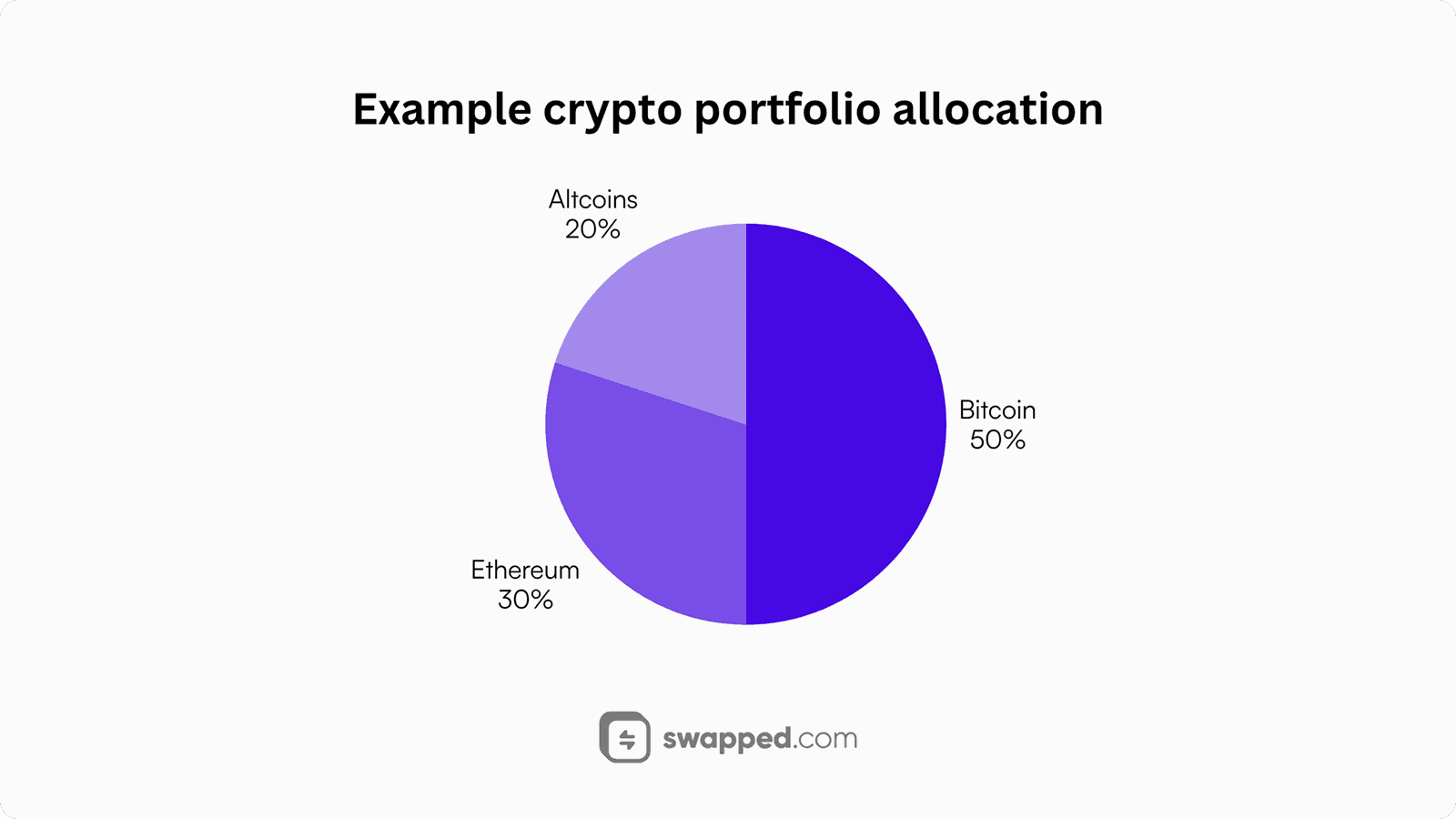
An allocation percentage needs a defined total and a valuation date.
Several Uses of the Same Term
Portfolio composition, token distribution and sale reservations all use allocation language. Reading the surrounding context prevents one meaning from being confused with another.
Portfolio Composition
Portfolio allocation describes exposure across holdings. Different tokens can still share important dependencies, such as one network, custodian, issuer or market. Counting symbols is therefore not the same as measuring independent sources of risk.
A snapshot can show the current weights, while a target allocation describes an intended mix. Differences between them can arise from price movements or new transactions. Any comparison should use the same valuation method and treatment of pending balances.
There is no universal crypto allocation for beginners or experienced users. Time horizon, obligations, liquidity needs and tolerance for loss differ. This glossary explains the measurement rather than proposing a particular mix of assets.
Token Supply Distribution
A project allocation may divide supply among contributors, users, treasury reserves or other purposes. The chart becomes meaningful only when the amounts, recipients and release rules are supported by documentation.
Check whether percentages refer to an initial supply, a maximum supply or another total. A category labelled community can cover several different arrangements. Read how tokens are actually distributed, controlled and transferred rather than relying on the label.
A published plan is not the same as an executed distribution. Onchain balances and contract rules can provide evidence, while offchain commitments may require additional documentation. Keep those forms of evidence distinct in the analysis.
Reservations in Funding Rounds
An allocation in a funding or token distribution round can mean an amount reserved for a participant. It does not necessarily mean tokens have been delivered or are immediately transferable. The agreement establishes the relevant conditions.
Compare unit amounts, pricing terms, eligibility, release schedules and any rights attached to the allocation. A discount or early reservation does not establish future value. Also check how the stated allocation relates to the total supply and other rounds.
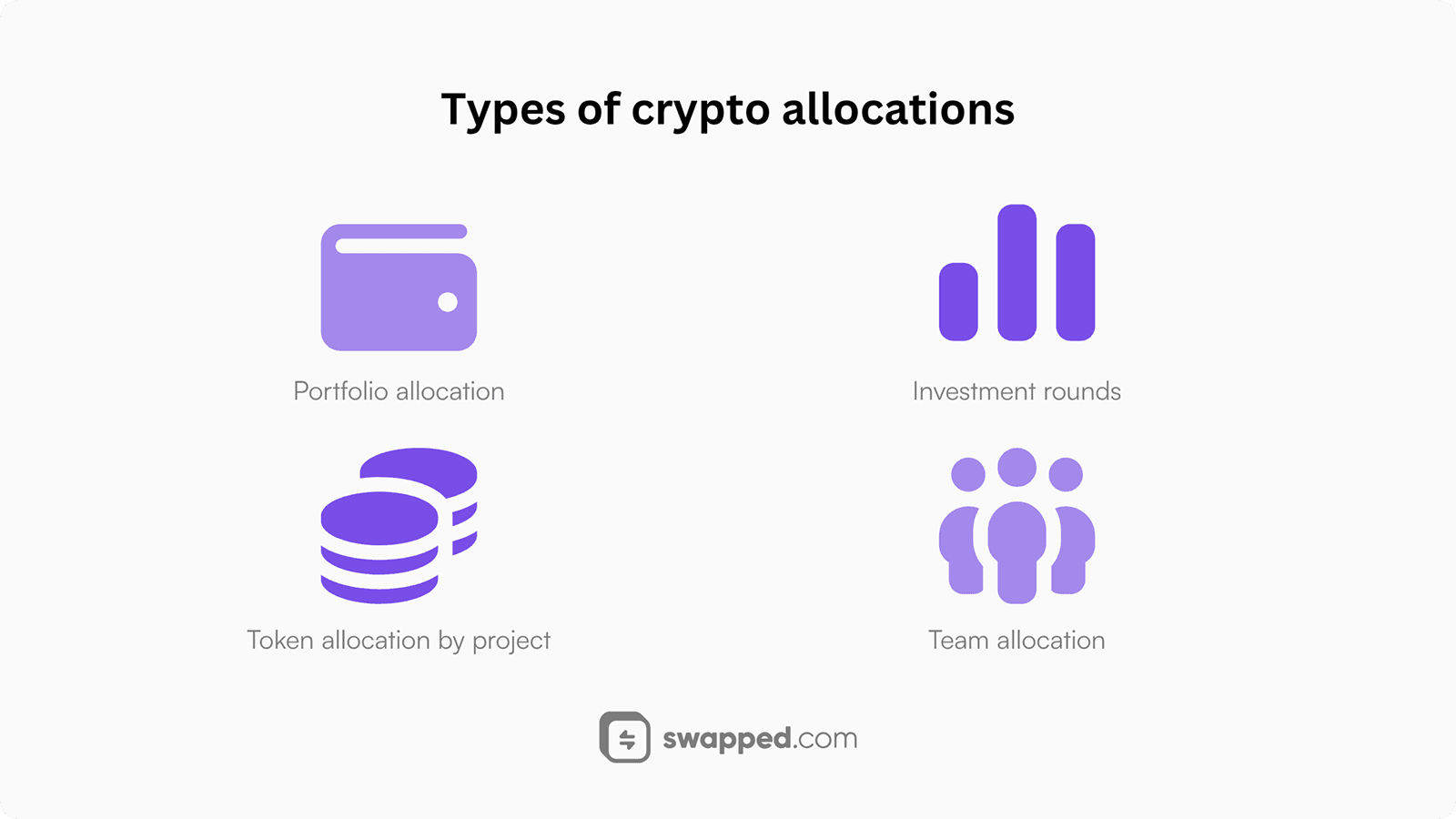
Supply plans, reservations and delivered balances are different allocation records.
Contributor and Team Allocations
Contributor allocations can be subject to vesting, locks or performance conditions. Vesting describes when an entitlement becomes available under specified rules; it does not automatically tell you whether the tokens are already held in a contract or account.
Review start dates, cliffs, release intervals and the ability to change the schedule. An allocation chart without those details can hide when supply becomes transferable. Compare the intended schedule with the evidence of actual releases when evaluating a project.
Related Concepts
FAQs about Allocation
Is there a standard allocation for a beginner?
No single percentage mix suits every situation. A useful analysis starts with the full financial context, time horizon, liquidity needs and tolerance for loss. Allocation is a way to describe exposure; it is not a guarantee of diversification or a prescribed investment plan.